
The Immune System: The Silent Army That Protects You Every Second
Every second of your life, an invisible war is being fought inside your body. Millions of bacteria, viruses, fungi, and harmful particles constantly try to enter and damage your cells. Yet most of the time, you never notice these attacks. Why? Because your body possesses one of the most extraordinary defense mechanisms ever created by nature — the immune system.
The immune system is not just a single organ. It is a massive biological security network made up of cells, tissues, proteins, and organs working together like a perfectly trained army. Its mission is simple yet incredibly complex: identify danger, destroy threats, remember enemies, and protect the body without harming itself.
Without the immune system, even a small cut or common cold could become life-threatening. It is the reason humans survive in a world filled with microscopic enemies.
The Immune System: The Silent Army That Protects You Every Second is crucial for maintaining our health.
The First Shield: Your Body’s Natural Barriers by Immune System
The Immune System: The Silent Army That Protects You Every Second plays a vital role in our daily lives.
Understanding The Immune System: The Silent Army That Protects You Every Second is essential for everyone.
The immune system begins protecting you long before germs enter your bloodstream. Your skin acts like a powerful wall that blocks most invaders from entering the body. It is the body’s first physical shield.
Inside the nose, throat, and lungs, sticky mucus traps dust, bacteria, and viruses before they can travel deeper. Tiny hair-like structures push these trapped particles out of the body. Even tears and saliva contain special enzymes that kill harmful microbes.
Your stomach is another deadly battlefield for germs. Strong stomach acid destroys many dangerous organisms before they can infect you.
These defenses work continuously without your awareness. They form the body’s first line of protection — fast, automatic, and extremely effective.
By enhancing our knowledge of The Immune System: The Silent Army That Protects You Every Second, we can improve health outcomes.
Each part of The Immune System: The Silent Army That Protects You Every Second has its own unique function.
The Immune System: The Silent Army That Protects You Every Second reacts swiftly to threats.
T cells are critical components of The Immune System: The Silent Army That Protects You Every Second.
The Immune System: The Silent Army That Protects You Every Second uses immunological memory to fight off reinfections.
The Immune System: The Silent Army That Protects You Every Second is crucial for effective vaccinations.
When it malfunctions, The Immune System: The Silent Army That Protects You Every Second can lead to various diseases.
The Innate Immune System: The Rapid Response Force
Maintaining balance in The Immune System: The Silent Army That Protects You Every Second is crucial for overall health.
In conclusion, The Immune System: The Silent Army That Protects You Every Second is vital for human survival.
Learn to appreciate The Immune System: The Silent Army That Protects You Every Second in your daily life.
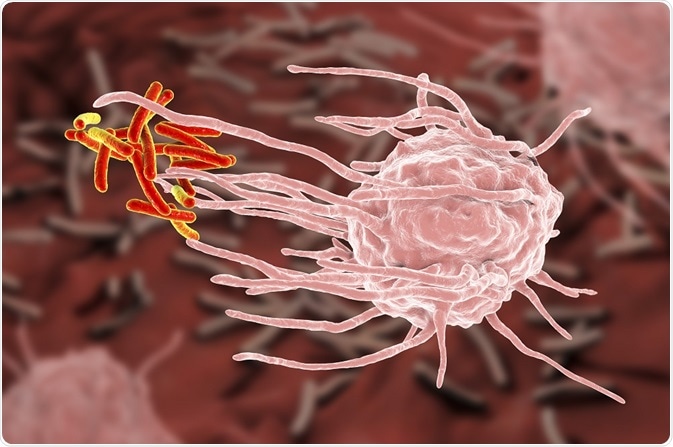
Sometimes harmful pathogens manage to break through the body’s outer barriers. When that happens, the innate immune system launches an immediate counterattack.
This branch of immunity reacts within minutes. It does not need training or previous experience. Instead, it recognizes common danger patterns shared by many microbes.
Special immune cells called neutrophils are usually the first soldiers to arrive at the infection site. They aggressively attack invading organisms by surrounding and digesting them.
Another powerful defender is the macrophage. These cells are like the cleanup crew and intelligence officers combined. They consume pathogens, remove dead cells, and release chemical signals called cytokines that alert the rest of the immune system.
Natural Killer cells patrol the body searching for infected or abnormal cells, including potential cancer cells. Unlike other immune cells, they can destroy dangerous cells without needing prior exposure.
At the same time, a remarkable protein network called the complement system becomes activated. These proteins punch holes into invading microbes, mark enemies for destruction, and trigger inflammation to recruit more immune cells.
Inflammation is one of the body’s most important defense reactions. Redness, swelling, heat, and pain may feel unpleasant, but they are signs that the immune system is actively fighting to protect you.
Adaptive Immunity: The Intelligent Defense System
If an infection becomes stronger or more complex, the body activates its most advanced weapon: the adaptive immune system.
Unlike innate immunity, adaptive immunity is highly specialized. It identifies specific pathogens with extraordinary precision. Although it takes longer to activate during a first infection, it creates long-lasting protection and memory.
The adaptive immune system mainly depends on two types of white blood cells: T cells and B cells.
T Cells: The Commanders and Assassins Immune System
The Immune System: The Silent Army That Protects You Every Second showcases the body’s resilience.
Understanding The Immune System: The Silent Army That Protects You Every Second helps in developing better healthcare strategies.
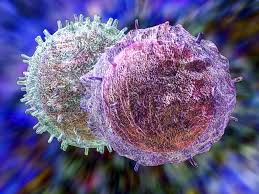
T cells mature in the thymus and perform several critical roles.
Helper T cells act as battlefield commanders. They coordinate immune responses by sending chemical instructions to other immune cells. Without them, the immune system becomes disorganized and weak.
Cytotoxic T cells are the assassins. They directly hunt and destroy virus-infected cells and damaged cells before the infection spreads further.
These cells are extremely intelligent. They can identify tiny fragments of pathogens hidden inside infected cells and eliminate them with deadly accuracy.
B Cells and Antibodies: Precision Weapons
B cells are responsible for producing antibodies — one of the most powerful tools in human immunity.
Antibodies are Y-shaped proteins designed to recognize specific antigens found on bacteria and viruses. Once attached, antibodies can neutralize pathogens, block infections, and mark invaders for destruction.
This process is incredibly precise. A single antibody may recognize only one specific target, much like a lock and key.
Thanks to antibodies, the immune system can eliminate dangerous microbes before they cause serious illness.
Immunological Memory: Why Vaccines Work for Immune System
One of the greatest strengths of the adaptive immune system is memory.
After defeating an infection, some T cells and B cells remain inside the body as memory cells. If the same pathogen attacks again, these cells respond rapidly and aggressively, often stopping the infection before symptoms even appear.
This is the scientific foundation of vaccination.
Vaccines safely expose the immune system to harmless parts of a virus or bacteria, allowing the body to build memory without experiencing the actual disease. When the real pathogen appears later, the immune system already knows how to defeat it.
Vaccination is one of the greatest medical achievements in human history because it trains the body’s natural defenses instead of relying only on medicines.
Lifestyle and Immunity: Your Daily Habits Matter
The strength of your immune system is deeply connected to your lifestyle.
Nutrition plays a major role because immune cells require vitamins, minerals, proteins, and antioxidants to function properly. A poor diet weakens immune responses and increases vulnerability to infections.
Sleep is equally important. During deep sleep, the body repairs tissues and strengthens immune memory. Chronic sleep deprivation can reduce antibody production and weaken disease resistance.
Regular physical exercise improves blood circulation and helps immune cells move efficiently throughout the body. However, extreme overtraining without recovery may temporarily suppress immunity.
Stress is another major factor. Long-term stress increases cortisol levels, which can weaken immune function and increase inflammation.
A healthy immune system is not built overnight. It is strengthened through consistent healthy habits practiced every day.
Aging and the Decline of Immunity
As humans age, the immune system naturally becomes less efficient. This process is known as immunosenescence.
The thymus gradually shrinks with age, reducing the production of new T cells. Older adults often become more vulnerable to infections, slower vaccine responses, and chronic inflammatory diseases.
Scientists have also discovered a condition called “inflamm-aging,” where low-level chronic inflammation remains active inside the body for years. This persistent inflammation contributes to diseases such as diabetes, heart disease, arthritis, and neurodegenerative disorders.
Understanding immune aging has become one of the biggest focuses in modern medical research.
When the Immune System Turns Against the Body
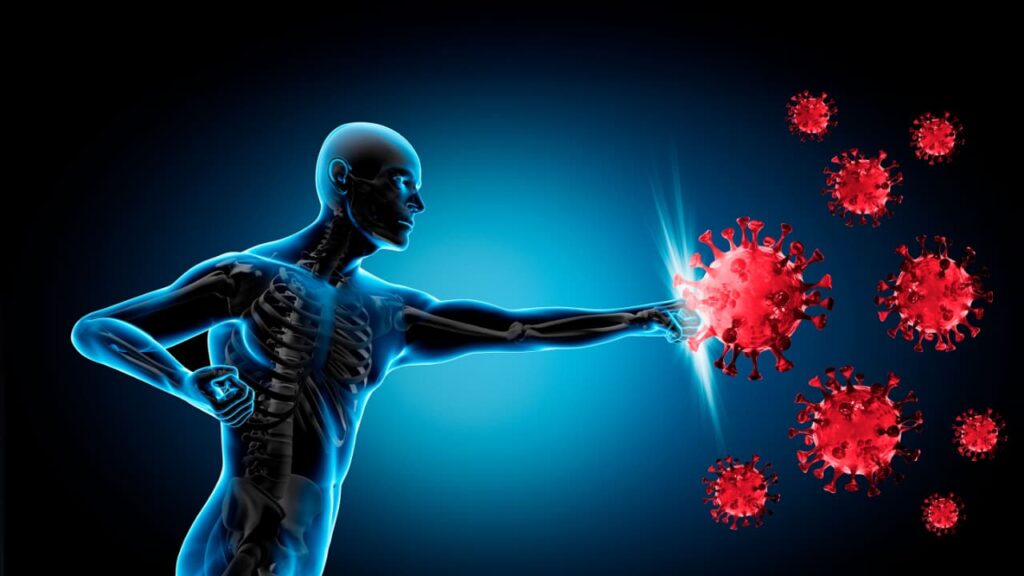
Sometimes the immune system becomes overactive or confused.
In autoimmune diseases such as rheumatoid arthritis, lupus, and multiple sclerosis, the immune system mistakenly attacks healthy tissues. Instead of protecting the body, immune cells begin damaging joints, nerves, skin, and organs.
Doctors often use immunosuppressive medications to calm these harmful immune reactions.
At the opposite extreme, some infections can trigger an uncontrolled immune response known as a cytokine storm. During severe viral infections like COVID-19, excessive inflammation may damage the lungs and organs more than the virus itself.
This shows how important immune balance truly is. The immune system must be strong, but also controlled.
Cancer Immunotherapy: Teaching the Immune System to Fight Cancer
One of the most revolutionary breakthroughs in modern medicine is cancer immunotherapy.
Cancer cells are dangerous because they often hide from immune detection. Scientists have now developed treatments that help immune cells recognize and attack tumors more effectively.
Immune checkpoint inhibitors remove the “brakes” that prevent T cells from attacking cancer cells. Another breakthrough, CAR-T therapy, involves genetically modifying a patient’s own T cells to hunt cancer with incredible precision.
These therapies are transforming cancer treatment and giving hope to patients once considered untreatable.
Conclusion
The immune system is one of the greatest masterpieces of biology. It protects the body every moment through layers of barriers, intelligent cells, chemical weapons, and long-term memory systems.
From fighting infections to preventing cancer, from remembering past enemies to adapting against new threats, the immune system is the silent guardian of human life.
Modern science continues to uncover its secrets, opening the door to revolutionary treatments and healthier futures. In many ways, the most powerful weapon against disease has always existed within us — our own immune system.

Health Dhara is a platform dedicated to holistic well-being — where health is not limited to the body, but extends to the mind and soul.
In today’s fast-paced world, people often ignore their health while chasing success. Our mission is to provide simple, practical, and research-based health knowledge that empowers individuals to live a balanced and meaningful life.
At Health Dhara, we believe true wealth lies in a healthy body, a calm mind, and a strong mindset.
Here, you will find: