
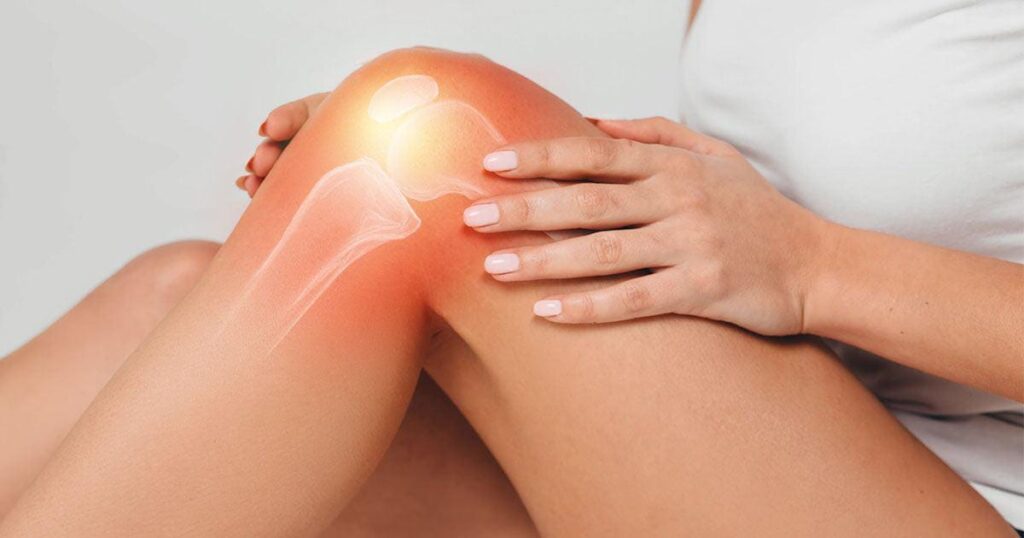
Knee Osteoarthritis: The Silent Joint Killer and the Smartest Ways to Fight Back
Knee pain is often dismissed as a normal part of aging. Many people ignore the early stiffness, occasional swelling, or difficulty climbing stairs until simple daily activities become exhausting. But when this pain is caused by osteoarthritis (OA), ignoring it can gradually steal mobility, independence, and quality of life.
Knee Osteoarthritis is the world’s most common form of arthritis and affects millions of people across every age group, especially older adults and overweight individuals. It develops slowly, wearing down the protective cartilage inside the knee joint. Over time, bones begin rubbing against each other, causing pain, inflammation, stiffness, and reduced movement.
The good news is that modern research shows knee osteoarthritis can often be managed successfully with the right combination of exercise, weight control, lifestyle adjustments, medical care, and—when necessary—surgery. Understanding the warning signs and treatment options early can dramatically improve long-term outcomes.
What Exactly Happens in Knee Osteoarthritis in old age ?
The knee joint is designed to move smoothly because the ends of the bones are covered with cartilage, a soft protective tissue that acts like a cushion. In osteoarthritis, this cartilage slowly breaks down. As the cushioning disappears, bones grind against each other, leading to pain and inflammation.
Initially, symptoms may appear only after walking long distances or climbing stairs. Later, pain may become constant, even during rest or sleep. Many patients also experience stiffness in the morning, cracking sounds during movement, and swelling around the joint.
Although aging is a major factor, osteoarthritis is not simply an “old age disease.” Obesity, previous knee injuries, lack of physical activity, poor posture, repetitive stress, genetics, and muscle weakness can all accelerate joint damage.

The Red Flags You Should Never Ignore
Not all knee pain is ordinary arthritis pain. Some symptoms demand immediate medical attention because they may indicate severe injury or dangerous complications.
A sudden sharp pain after a fall or twisting injury could signal a fracture, ligament tear, or meniscus injury. Rapid swelling combined with warmth and redness may indicate infection or severe inflammation. If the knee suddenly locks and cannot straighten properly, there could be loose cartilage or a torn meniscus trapped inside the joint.
One of the most serious warning signs is fever combined with severe knee pain and inability to bear weight. This may point toward septic arthritis, a potentially dangerous joint infection requiring emergency treatment.
Instability or repeated knee buckling is another important signal. It may indicate ligament weakness, nerve problems, or advanced joint degeneration.
Recognizing these warning signs early can prevent permanent joint damage and disability.
Exercise: The Most Powerful Medicine for Knee OA
Many people mistakenly believe exercise worsens arthritis. In reality, carefully designed exercise is one of the most effective treatments for knee osteoarthritis.
Strong muscles act like natural shock absorbers for the knee. When the thigh, hip, and calf muscles become stronger, pressure on the joint decreases significantly. Regular exercise also improves flexibility, balance, blood circulation, and joint lubrication.
Walking, cycling, stretching, yoga, and strengthening exercises are commonly recommended. However, one of the most effective and comfortable options for many patients is aquatic therapy.
Why Water Therapy Works So Well

Aquatic Therapy has become increasingly popular because water reduces stress on painful joints. The buoyancy of water supports body weight, making movement easier and less painful. At the same time, water resistance gently strengthens muscles without harsh impact.
Patients who struggle with land-based exercises often find water therapy more enjoyable and sustainable. Studies show aquatic therapy can reduce pain, improve walking speed, increase flexibility, and enhance overall mobility.
For elderly patients or individuals with obesity, it can be a game-changing approach.
Weight Loss: Every Kilogram Matters
One of the strongest risk factors for knee osteoarthritis is excess body weight. The knee carries enormous pressure during daily movement. Even a small increase in weight multiplies the force placed on the joint.
Research shows losing weight can dramatically reduce pain and improve physical function. In fact, even a 5% reduction in body weight can provide noticeable benefits, while a 10% reduction often leads to major improvements.
For example, if a person weighs 80 kilograms, losing just 8 kilograms may significantly reduce knee stress and improve mobility.
Weight management becomes even more powerful when combined with exercise and proper nutrition.
Smart Home Changes That Protect Your Knees
Simple home modifications can reduce pain, improve independence, and prevent dangerous falls.
Replacing round doorknobs with lever-style handles reduces strain on painful joints. Non-slip bathroom mats lower the risk of slipping. Reacher tools help avoid repeated bending, which can worsen knee pain.
For individuals with moderate to severe arthritis, raised toilet seats and lift chairs can make standing easier and safer. In homes with stairs, stairlifts may greatly reduce joint stress and conserve energy.
Using mobility aids correctly also matters. A cane should generally be held on the side opposite the painful knee to distribute weight more effectively.
Do Supplements Really Help knee pain problem ?
Millions of people use supplements hoping for natural relief from arthritis pain. However, scientific evidence is mixed.
Popular supplements like glucosamine and chondroitin were once heavily promoted for joint health, but modern studies show they often provide little or no meaningful improvement for most patients.
On the other hand, some natural compounds show more promising results.
Turmeric contains curcumin, which has anti-inflammatory properties. Boswellia serrata and methylsulfonylmethane (MSM) have also demonstrated potential benefits in reducing pain and stiffness in some studies.
Still, experts recommend caution. Supplements are not miracle cures, and results vary widely. A short trial period of four to six weeks is generally reasonable. If there is no noticeable improvement, continuing them may not be worthwhile.
Medications: Relief With Benefits and Risks
When lifestyle changes alone are not enough, doctors may recommend medications.
Ibuprofen and other NSAIDs are among the most commonly prescribed treatments because they reduce both pain and inflammation. Topical NSAID gels are especially useful for patients who cannot tolerate oral medications.
Paracetamol may also help mild pain, though it is generally less effective than NSAIDs for inflammation.
One major concern in modern osteoarthritis care involves corticosteroid injections. While these injections may provide short-term relief, newer studies suggest repeated steroid injections could accelerate cartilage damage and joint degeneration over time.
Similarly, hyaluronic acid injections show inconsistent results and are no longer routinely recommended for many patients.
Strong opioid painkillers are generally discouraged because they carry high risks of addiction, dizziness, and side effects without offering significant long-term improvement.
When Surgery Becomes Necessary
For severe osteoarthritis that no longer responds to exercise, weight loss, therapy, or medications, surgery may offer the best solution.
Arthroscopic “clean-up” procedures were once common, but modern research shows they usually provide little benefit for standard knee OA.
Some patients with meniscus tears alongside mild arthritis may benefit from partial meniscectomy after conservative treatments fail.
For younger patients with knee misalignment affecting only one side of the joint, high tibial osteotomy can shift body weight away from the damaged area and delay the need for knee replacement.
In advanced cases, knee replacement surgery becomes the most effective option.
Total Knee Replacement replaces damaged joint surfaces with artificial components made from metal and durable plastic. Modern knee replacement surgery has transformed millions of lives worldwide, allowing patients to walk, exercise, travel, and return to normal activities with dramatically reduced pain.
Most knee replacements function successfully for decades, especially when patients maintain healthy weight, stay active, and follow rehabilitation programs carefully.
Final Thoughts
Knee osteoarthritis is more than simple joint pain—it is a progressive condition that can slowly limit movement, independence, and confidence. But it does not have to control life.
The most successful management approach combines early awareness, regular exercise, healthy weight control, smart lifestyle modifications, and evidence-based medical treatment. Small daily improvements often produce powerful long-term results.
The earlier people act, the better the chance of protecting their joints, preserving mobility, and continuing to live an active, fulfilling life.

Health Dhara is a platform dedicated to holistic well-being — where health is not limited to the body, but extends to the mind and soul.
In today’s fast-paced world, people often ignore their health while chasing success. Our mission is to provide simple, practical, and research-based health knowledge that empowers individuals to live a balanced and meaningful life.
At Health Dhara, we believe true wealth lies in a healthy body, a calm mind, and a strong mindset.
Here, you will find: