

Starting a fitness journey is one of the most powerful investments you can make in your health and well-being. Whether your goal is weight loss, muscle gain, improved endurance, or simply living a healthier lifestyle, one important question arises: Where should you work out?
The environment in which you exercise can significantly influence your motivation, consistency, and overall results. Some people thrive in a busy commercial gym, while others prefer the comfort of a home gym or the refreshing atmosphere of nature. Understanding the advantages and disadvantages of each fitness environment can help you make the best choice for your lifestyle and long-term goals.
The Commercial Gym: Equipment, Motivation, and Professional Environment
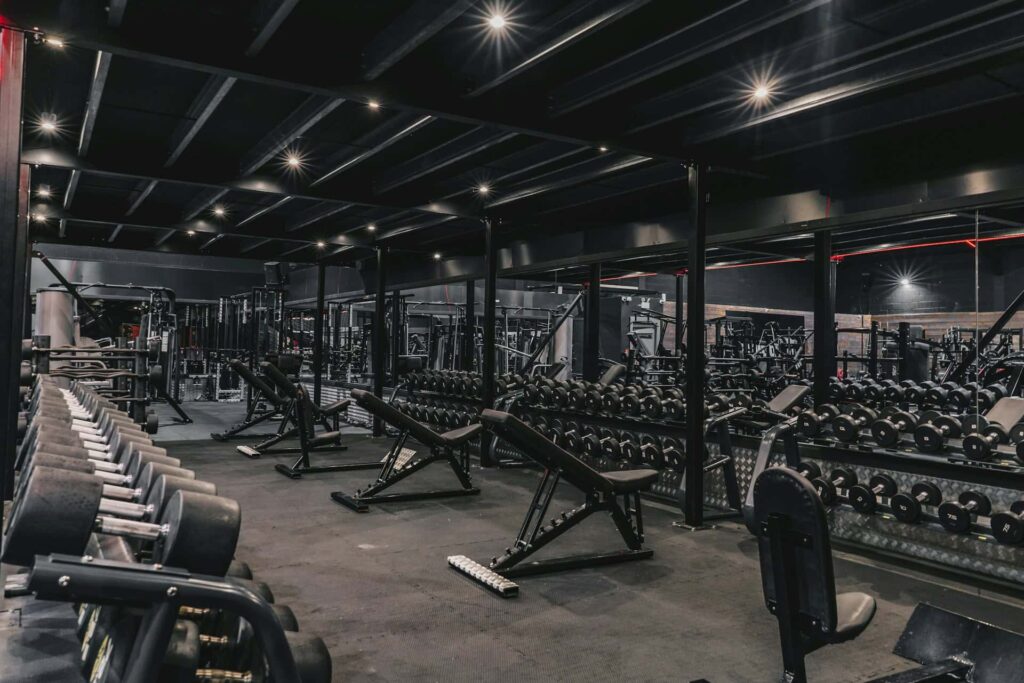
Group Fitness Classes vs. Individual Training in Fitness Environment
For millions of fitness enthusiasts, the commercial gym remains the most popular place to exercise. One of its greatest advantages is access to a wide variety of high-quality equipment. From treadmills and rowing machines to squat racks and cable systems, gyms provide everything needed for comprehensive strength and cardiovascular training.
Another major benefit is the dedicated workout environment. Unlike home settings, gyms are specifically designed for fitness. The moment you walk through the doors, your mindset shifts toward exercise and performance. Being surrounded by people who are actively working toward their goals can create a motivating atmosphere that encourages consistency and effort.
Many gyms also offer professional trainers, group fitness classes, and specialized programs that can help beginners learn proper techniques and stay accountable.
However, commercial gyms are not perfect. Membership fees can range from affordable budget options to premium facilities costing hundreds of dollars per month. Hidden costs such as enrollment fees, annual maintenance charges, transportation expenses, and parking fees can further increase the overall investment.
Crowded gyms during peak hours can also become frustrating. Waiting for equipment, limited workout space, and interruptions to planned routines may reduce workout efficiency and enjoyment.
Within the gym environment, members often choose between group exercise classes and individual workouts.
Group fitness classes offer structure, accountability, and social interaction. Whether it’s yoga, spinning, HIIT, Zumba, or strength training, exercising with others creates a sense of community and support. Many people find it easier to stay committed when they know others expect them to show up.
The energy of a group setting can also push participants to work harder than they might on their own. For individuals who struggle with motivation, group training can be extremely beneficial.
On the other hand, individual workouts provide complete flexibility. You can train according to your personal goals, preferred schedule, and fitness level. Solo training allows you to focus on specific weaknesses, control rest periods, and progress at your own pace.
The downside is that individual workouts require greater self-discipline. Without external accountability, some people may find it easier to skip sessions or lose consistency over time.

Overcoming Gym Anxiety and "Gymtimidation"
One of the biggest barriers preventing people from joining a gym is gym anxiety, often called “gymtimidation.” Beginners frequently worry about being judged, using equipment incorrectly, or feeling out of place among experienced gym-goers.
The good news is that gym anxiety is extremely common and usually decreases with experience.
Several strategies can help overcome these fears:
– Visit the gym before joining to become familiar with the layout.
– Create a workout plan in advance.
– Train with a friend for additional confidence.
– Consider hiring a trainer for the first few sessions.
– Focus on your own progress rather than comparing yourself to others.
It’s important to remember that most people in the gym are focused on their own workouts, not on judging others. Everyone starts somewhere, and taking the first step is often the hardest part.
The Home Gym: Convenience, Privacy, and Long-Term Savings
The greatest advantage of a home gym is convenience. There is no commuting, no waiting for equipment, and no dependence on gym operating hours. You can work out whenever it fits your schedule, whether that’s early in the morning or late at night.
Privacy is another significant benefit. Many people feel more comfortable exercising at home, especially beginners who may feel intimidated in public fitness facilities.
Although setting up a home gym requires an initial investment, it can provide substantial savings over time. Once equipment is purchased, there are usually no monthly membership fees.
However, home gyms also have limitations. Space constraints can restrict equipment choices, and the home environment often contains distractions such as television, household chores, family responsibilities, and mobile devices.
Additionally, some individuals struggle to maintain motivation when exercising alone without the energy and accountability provided by a gym community.
Outdoor Exercise: The Power of Nature

For those who dislike both commercial gyms and home workouts, outdoor exercise offers a highly effective alternative.
Running, walking, cycling, hiking, bodyweight training, and sports can all be performed outdoors with little or no equipment. Fresh air, sunlight, and natural surroundings create a unique exercise experience that many people find refreshing and energizing.
Research consistently shows that exercising in natural environments provides significant mental health benefits. Outdoor workouts are associated with reduced stress, improved mood, increased feelings of happiness, and lower levels of anxiety.
Natural environments also help reduce mental fatigue while improving concentration and overall psychological well-being. Many people report feeling more motivated to continue exercising when they spend time in parks, forests, trails, or other green spaces.
The primary limitation of outdoor training is the lack of access to heavy resistance equipment required for advanced strength development. Weather conditions can also impact workout consistency.
Nevertheless, for cardiovascular fitness, stress relief, and mental wellness, outdoor exercise remains one of the most effective options available.
Why Exercise Matters More Than Location
While choosing the right fitness environment is important, the most critical factor is consistency. Scientific research continues to demonstrate that regular exercise provides substantial health benefits regardless of where it is performed.
Strength training helps build muscle mass, improve bone density, enhance physical performance, and support healthy aging. Regular resistance exercise is also associated with a lower risk of cardiovascular disease and overall mortality.
Cardiovascular activities improve heart health, blood pressure regulation, endurance, and metabolic function. Combined with proper nutrition and adequate recovery, exercise serves as one of the most powerful tools for improving long-term health and quality of life.
Whether you train in a luxury fitness center, a garage gym, or your local park, the benefits remain significant as long as you stay committed.
Conclusion: The Best Fitness Environment Is the One You'll Use
There is no universally perfect place to work out. The ideal fitness environment depends on your goals, personality, budget, schedule, and preferences.
If you enjoy variety, professional equipment, and social motivation, a commercial gym may be your best choice. If convenience and privacy are your priorities, a home gym could provide greater value. If mental wellness and stress reduction are important, outdoor exercise may offer unique advantages.
Ultimately, the best workout environment is not the most expensive or the most popular—it’s the one that helps you remain consistent. When your fitness environment aligns with your lifestyle, exercise becomes less of a chore and more of a sustainable habit that supports your health for years to come.
Remember: Success in fitness is not determined by where you train, but by how consistently you show up and put in the effort.

Health Dhara is a platform dedicated to holistic well-being — where health is not limited to the body, but extends to the mind and soul.
In today’s fast-paced world, people often ignore their health while chasing success. Our mission is to provide simple, practical, and research-based health knowledge that empowers individuals to live a balanced and meaningful life.
At Health Dhara, we believe true wealth lies in a healthy body, a calm mind, and a strong mindset.
Here, you will find: