
- How to Strengthen Your Microbiome Naturally ?
- What Is the Gut Microbiome and Why Does It Matter? (How to Strengthen Your Microbiome Naturally)
- What Damages Your Gut Health? ( Microbiome Naturally)
- The good news is that your gut microbiome is highly adaptable. With the right habits, you can restore and strengthen it naturally.
- 1. Eat a Variety of Plant-Based Foods (microbiome is highly)
- 2. Include Fermented Foods in Your Diet (strengthen it naturally)
- 3. Increase Fiber and Prebiotics (microbiome)
- 4. Stay Physically Active (microbiome)
- 5. Prioritize Quality Sleep (strengthen it naturally)
- 6. Manage Stress Effectively (strengthen it naturally)
- 7. Limit Antibiotics and Unnecessary Medications
How to Strengthen Your Microbiome Naturally ?
In recent years, gut health has emerged as one of the most important pillars of overall well-being. Often referred to as the body’s “second brain,” the gut is far more than just a digestive organ—it is home to a vast and complex ecosystem known as the gut microbiome.
This microbiome consists of trillions of microorganisms, including bacteria, fungi, and viruses, all working together in a delicate balance. When this balance is maintained, it supports digestion, immunity, mental health, and even metabolism. But when disrupted, it can lead to a range of health problems.
In this guide, we’ll explore what the gut microbiome is, what affects it, and how you can naturally improve your gut health.
What Is the Gut Microbiome and Why Does It Matter? (How to Strengthen Your Microbiome Naturally)
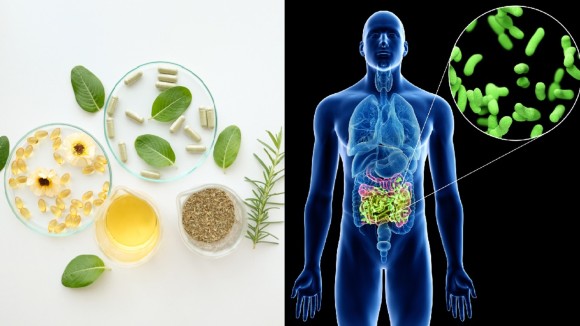
The gut microbiome is a community of microorganisms living primarily in your large intestine. These microbes are not harmful—in fact, most of them are essential for survival.
They help:
- ak down complex carbohydrates and fiber
- Pro Breduce essential vitamins like B and K
- Regulate the immune system
- Protect against harmful pathogens
A healthy microbiome is diverse, meaning it contains a wide variety of beneficial bacteria. This diversity is key to maintaining balance and preventing disease.
The Gut-Brain Connection: More Powerful Than You Think
One of the most fascinating discoveries in modern science is the gut-brain axis—a direct communication system between your gut and brain.
Your gut contains its own nervous system, called the enteric nervous system, which operates independently of the brain. It also produces a significant portion of neurotransmitters:
- Around 90% of serotonin (linked to mood and happiness)
- About 50% of dopamine (associated with motivation and reward)
Gut bacteria also produce compounds called short-chain fatty acids (SCFAs), which:
- Reduce inflammation
- Strengthen the gut barrier
- Support brain health and memory
An imbalance in gut bacteria, known as dysbiosis, has been linked to conditions such as anxiety, depression, and even neurodegenerative diseases.
What Damages Your Gut Health? ( Microbiome Naturally)
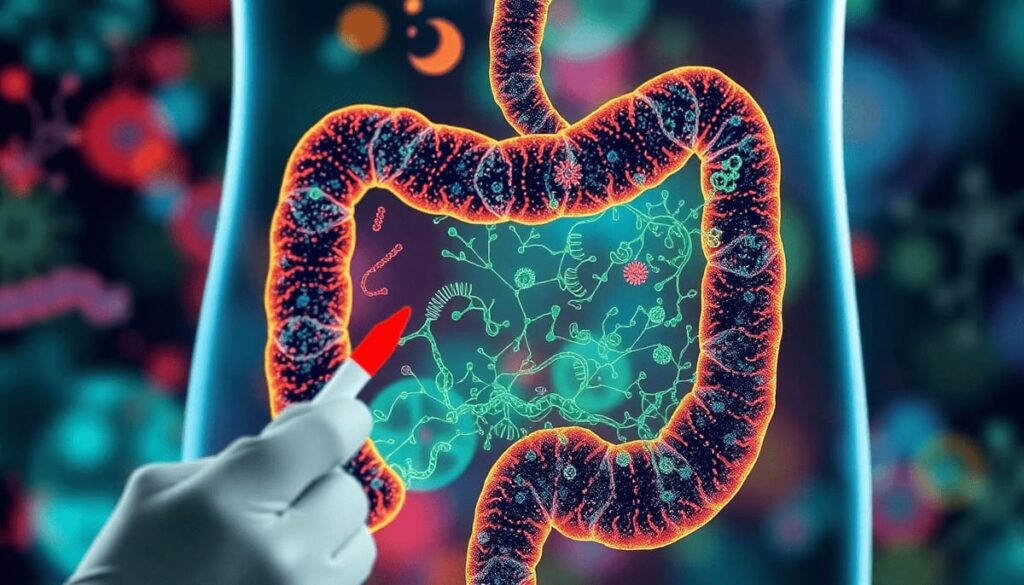
Modern lifestyle habits are one of the biggest threats to gut health. Here are the key factors that can disrupt your microbiome:
1. Processed Foods and Excess Sugar (Damages your Health)
A diet high in ultra-processed foods, refined sugar, and unhealthy fats reduces beneficial bacteria and promotes harmful microbes. Over time, this imbalance can increase the risk of obesity and diabetes.
2. Alcohol and Medications (Damages your Health)
Excessive alcohol damages the gut lining and reduces protective mucus. Certain medications—especially antibiotics—can wipe out both good and bad bacteria, reducing microbial diversity.
3. Chronic Stress (Damages your Health)
Stress activates hormonal pathways that directly affect gut bacteria. It can lead to digestive issues, inflammation, and weakened immunity.
4. Poor Sleep (Damages your Health)
Lack of sleep alters the composition of gut microbes and is linked to increased inflammation and poor metabolic health.
5. Smoking (Damages your Health)
Smoking reduces microbial diversity and is associated with gut-related disorders, including inflammatory bowel disease.
Signs of an Unhealthy Gut
Your body often gives signals when your gut health is compromised. Common signs include:
- Frequent bloating or gas
- Constipation or diarrhea
- Fatigue and low energy
- Skin issues like acne
- Mood swings or anxiety
If these symptoms persist, improving gut health should be a priority.
Science-Backed Ways to Improve Gut Health
The good news is that your gut microbiome is highly adaptable. With the right habits, you can restore and strengthen it naturally.
1. Eat a Variety of Plant-Based Foods (microbiome is highly)
Diversity in your diet leads to diversity in your gut bacteria.
- Aim to include:
- Fruits and vegetables
- Whole grains
- Nuts and seeds
- Legumes
Try to consume at least 25–30 different plant foods per week. These foods are rich in fiber and polyphenols, which act as fuel for beneficial bacteria.
2. Include Fermented Foods in Your Diet (strengthen it naturally)
Fermented foods contain live beneficial bacteria (probiotics) that directly improve gut diversity.
Some excellent options include:
- Yogurt
- Kefir
- Kimchi
- Sauerkraut
- Fermented vegetables
Regular consumption of fermented foods has been shown to reduce inflammation and improve overall gut health.
3. Increase Fiber and Prebiotics (microbiome)
Fiber is essential for feeding good bacteria. Prebiotics are a special type of fiber that specifically nourish beneficial microbes.
Top prebiotic foods:
- Garlic
- Onions
- Bananas
- Oats
- Beans
These foods help increase the production of SCFAs, which protect the gut lining and reduce inflammation.
4. Stay Physically Active (microbiome)
Regular exercise is not just good for your muscles—it also benefits your gut.
Even moderate activities like:
- Walking
- Yoga
- Light gym workouts
can improve microbial diversity and support digestion.
5. Prioritize Quality Sleep (strengthen it naturally)
Sleep plays a critical role in maintaining gut balance. Aim for 7–8 hours of uninterrupted sleep each night.
Tips for better sleep:
- Avoid screens before bed
- Maintain a consistent sleep schedule
- Avoid late-night eating
6. Manage Stress Effectively (strengthen it naturally)
Chronic stress can damage your gut lining and disrupt bacteria.
Effective stress-management techniques include:
- Meditation
- Deep breathing
- Journaling
- Spending time in nature
Even 10–15 minutes daily can make a big difference.
7. Limit Antibiotics and Unnecessary Medications
While antibiotics are sometimes necessary, overuse can harm your microbiome. Always use medications responsibly and under medical guidance.
A Simple Daily Routine for Better Gut Health
Here’s an easy routine you can follow:
- Morning: Warm water + fruit + fiber-rich breakfast
- Afternoon: Balanced meal with vegetables, grains, and protein
- Evening: Light dinner, avoid heavy or processed foods
- Daily habits: Exercise, hydration, and stress control
Consistency is more important than perfection.
Final Thoughts
Your gut microbiome is the foundation of your overall health. From digestion and immunity to mental clarity and mood, everything is interconnected.
While modern lifestyles often disrupt this delicate system, the solution lies in simple, sustainable habits:
- Eat more natural, plant-based foods
- Include fermented items
- Stay active
- Sleep well
- Manage stress
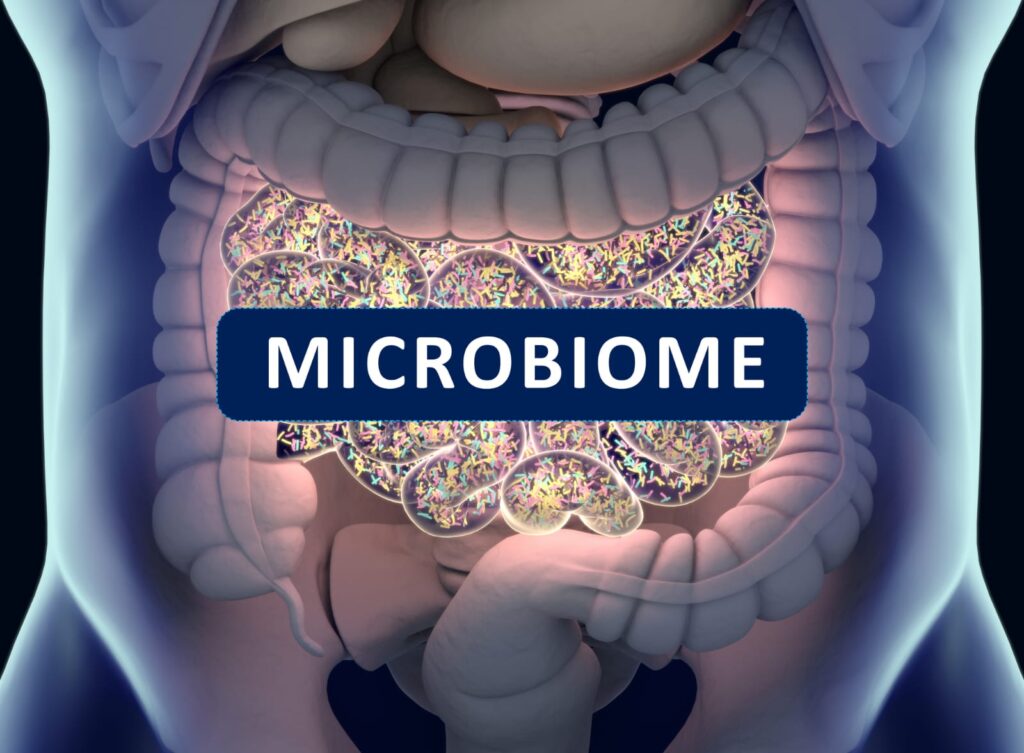
Improving your gut health is not about quick fixes—it’s about long-term lifestyle changes. The good news is that even small steps, taken consistently, can lead to powerful transformations.
Take care of your gut, and your body will take care of you.

Health Dhara is a platform dedicated to holistic well-being — where health is not limited to the body, but extends to the mind and soul.
In today’s fast-paced world, people often ignore their health while chasing success. Our mission is to provide simple, practical, and research-based health knowledge that empowers individuals to live a balanced and meaningful life.
At Health Dhara, we believe true wealth lies in a healthy body, a calm mind, and a strong mindset.
Here, you will find: