
Air Pollution: Causes, Effects, and Practical Ways to Reduce Pollution
Air pollution is one of the biggest environmental challenges facing the world today. Every day, millions of people breathe polluted air without realizing how it affects their health. Air pollution not only harms humans but also damages plants, animals, and the Earth’s climate.
Understanding the causes and effects of air pollution is the first step toward creating a cleaner and healthier future.
What is Air Pollution?
Air pollution is the contamination of the atmosphere by harmful gases, dust, smoke, chemicals, and tiny particles that reduce air quality. These pollutants come from both human activities and natural events.
Clean air is essential for healthy living, but increasing industrialization and urbanization have made pollution a serious global concern.
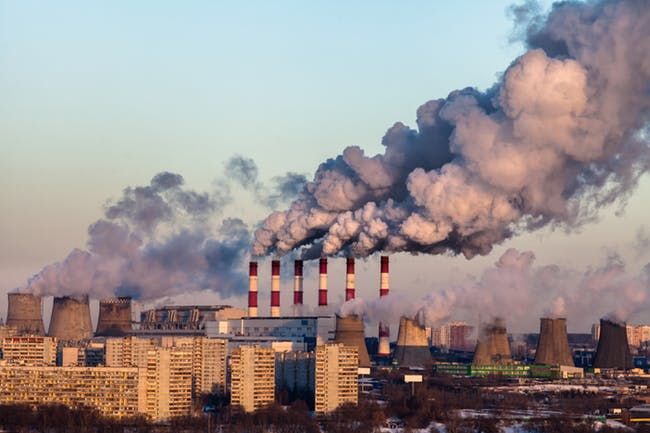
Major Causes of Air Pollution
1. Vehicle Emissions (Air Pollution: Causes)
Cars, motorcycles, buses, and trucks release harmful gases such as:
- Carbon monoxide (CO)
- Nitrogen oxides (NOx)
- Carbon dioxide (CO₂)
- Fine particulate matter (PM2.5)
The growing number of vehicles significantly increases pollution in cities.
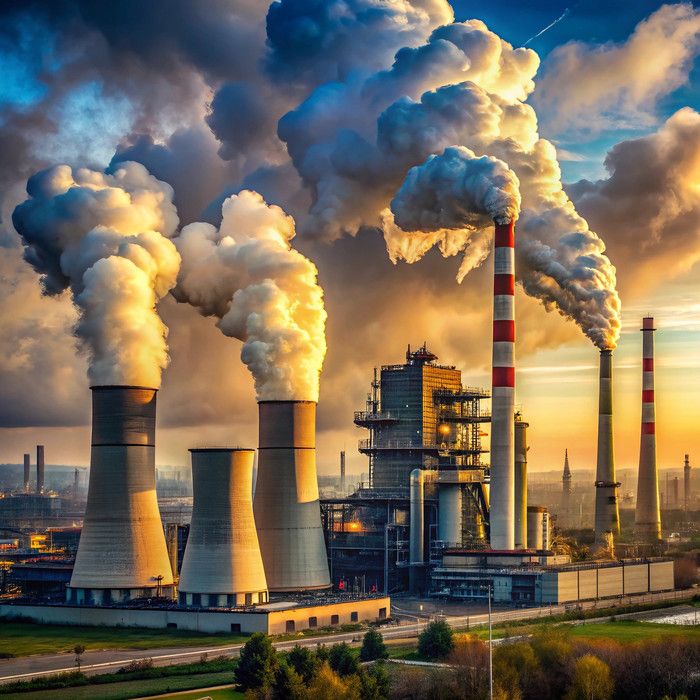
2. Industrial Pollution (Air Pollution: Causes)
Factories and power plants burn coal, oil, and natural gas, releasing:
- Sulfur dioxide (SO₂)
- Nitrogen oxides
- Toxic chemicals
- Smoke
These pollutants contribute to poor air quality and acid rain.
3. Burning Fossil Fuels (Air Pollution: Causes)
Coal, petroleum, and diesel are major sources of air pollution because they release greenhouse gases and harmful particles into the atmosphere.
4. Agricultural Activities
Agriculture contributes through:
- Burning crop residue
- Chemical fertilizers
- Pesticides
- Methane from livestock
5. Construction and Road Dust
Construction projects produce large amounts of dust that can remain suspended in the air and affect nearby communities.
6. Household Pollution
Indoor pollution can be caused by:
- Burning wood or coal for cooking
- Cigarette smoke
- Poor ventilation
- Household chemicals
7. Natural Causes
Nature also contributes to air pollution through:
- Wildfires
- Volcanic eruptions
- Dust storms
- Pollen
Although natural, these events can temporarily reduce air quality.
Types of Air Pollutants (Air Pollution: Causes)
Some common pollutants include:
- Particulate Matter (PM2.5 & PM10)
- Carbon Monoxide (CO)
- Sulfur Dioxide (SO₂)
- Nitrogen Dioxide (NO₂)
- Ozone (Ground-level O₃)
- Lead (Pb)
- Volatile Organic Compounds (VOCs)
Effects of Air Pollution
1. Health Problems
Air pollution can lead to:
- Asthma
- Bronchitis
- Lung infections
- Heart disease
- Stroke
- Lung cancer
- Allergies
- Eye irritation
Children, older adults, and people with existing health conditions are especially vulnerable.
2. Environmental Damage
Pollution affects ecosystems by:
- Damaging forests
- Reducing crop production
- Polluting rivers and lakes
- Harming wildlife
3. Climate Change
Greenhouse gases trap heat in the atmosphere, causing:
- Rising temperatures
- Melting glaciers
- Extreme weather
- Rising sea levels
4. Acid Rain
Sulfur dioxide and nitrogen oxides react with water vapor to form acid rain, which damages:
- Buildings
- Crops
- Soil
- Lakes
- Forests
5. Reduced Visibility
Smog reduces visibility and increases the risk of road and air transport accidents.
How Air Pollution Affects Human Health (Air Pollution: Causes)
Long-term exposure to polluted air may cause:
- Reduced lung function
- Chronic respiratory diseases
- High blood pressure
- Heart attacks
- Premature death
According to global health organizations, millions of deaths each year are linked to air pollution.
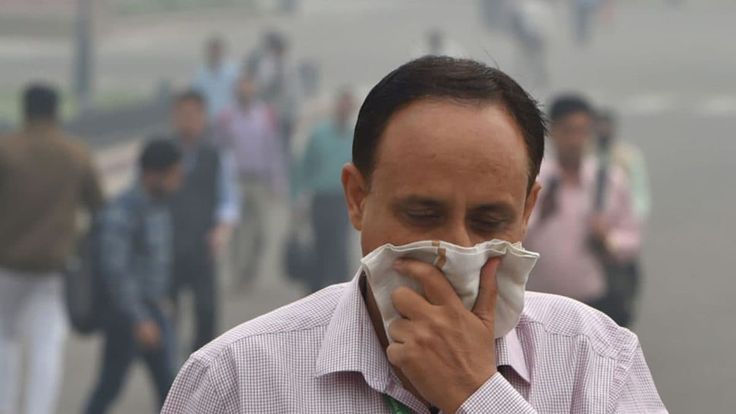
How to Reduce Air Pollution
Everyone can contribute by making small changes.
Use Public Transportation
Using buses, trains, or carpooling reduces vehicle emissions.
Plant More Trees
Trees absorb carbon dioxide and release oxygen, helping improve air quality.
Save Energy
Turn off unnecessary lights and use energy-efficient appliances.
Switch to Renewable Energy
Solar and wind energy produce far fewer emissions than fossil fuels.
Avoid Burning Waste
Burning garbage releases toxic chemicals into the air.
Maintain Vehicles
Regular servicing helps reduce harmful emissions.
Reduce Plastic Waste
Recycle and reuse materials instead of burning plastic.
Use Clean Cooking Fuels
Choose LPG, electricity, or induction cooking instead of wood or coal whenever possible.
Government Initiatives
Many governments are taking steps to improve air quality by:
- Setting vehicle emission standards
- Promoting electric vehicles
- Monitoring air quality
- Expanding green spaces
- Supporting renewable energy
- Regulating industrial emissions
Public cooperation is essential for these measures to succeed.
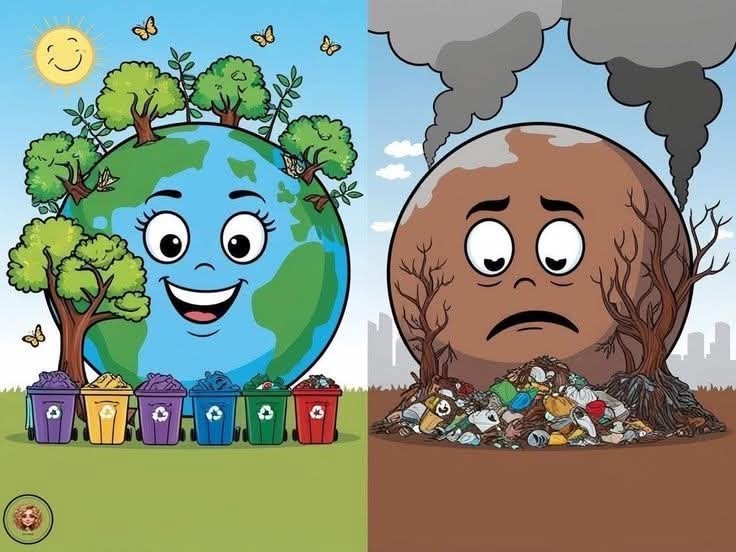
Why Clean Air Matters
Clean air is vital because it:
- Protects human health
- Supports healthy ecosystems
- Improves quality of life
- Reduces healthcare costs
- Helps combat climate change
Conclusion
Air pollution is a serious issue that affects every aspect of life—from our health to the environment and the global climate. While governments and industries play an important role, individuals can also make a significant difference by adopting eco-friendly habits. Choosing cleaner transportation, conserving energy, planting trees, and reducing waste are simple yet effective actions that contribute to cleaner air.
Together, we can create a healthier planet for ourselves and future generations.
What is air pollution?
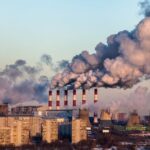
Air pollution is the presence of harmful substances such as gases, smoke, and tiny particles in the atmosphere that reduce air quality.
What are the main causes of air pollution?
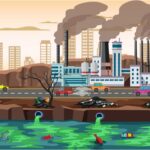
Major causes include vehicle emissions, industrial activities, burning fossil fuels, agricultural practices, construction dust, and household pollution.
How does air pollution affect health?
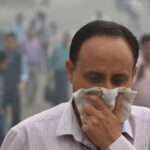
It can cause respiratory diseases, heart problems, allergies, asthma, and increase the risk of lung cancer and premature death.
Why is air pollution dangerous?
Because long-term exposure damages the lungs, heart, environment, crops, wildlife, and contributes to climate change.
How can we reduce air pollution?
Use public transportation, plant trees, save energy, avoid burning waste, maintain vehicles, and support clean energy sources.

Health Dhara is a platform dedicated to holistic well-being — where health is not limited to the body, but extends to the mind and soul.
In today’s fast-paced world, people often ignore their health while chasing success. Our mission is to provide simple, practical, and research-based health knowledge that empowers individuals to live a balanced and meaningful life.
At Health Dhara, we believe true wealth lies in a healthy body, a calm mind, and a strong mindset.
Here, you will find: