
For generations, people have measured health with a simple number: age. A person turning 40, 50, or 60 was expected to experience predictable physical changes tied directly to the passing years. But modern medicine is beginning to challenge this traditional view. Today, scientists and healthcare professionals are discovering that the number of birthdays someone has celebrated may reveal far less about their health than previously believed. Instead, the future of healthcare lies in understanding biological age — a far more accurate reflection of how the body is actually aging.
At the center of this transformation are two powerful forces: preventative screenings and advanced diagnostics. Together, they are changing healthcare from a reactive system focused on treating illness to a proactive system focused on preventing disease before it becomes life-threatening. From routine cancer screenings to wearable biosensors powered by artificial intelligence, modern medicine is entering an era where personalized health monitoring may significantly increase both lifespan and quality of life.

The Power of Preventative Screenings (Redefining Human Health)
Preventative screenings are among the most effective tools in modern medicine. Their primary goal is simple yet life-saving: identify disease early, often before symptoms appear. When illnesses such as cancer, diabetes, cardiovascular disease, or kidney disorders are detected in their earliest stages, treatment becomes more effective, less invasive, and significantly less expensive.
Medical organizations around the world recommend age-specific screenings because certain diseases become more common as people grow older. For example, mammograms are widely advised for women over 40 to detect breast cancer early, while colonoscopies are recommended for adults over 45 to identify colorectal cancer before it spreads. Men above 50 are often encouraged to undergo prostate evaluations, and regular blood pressure, cholesterol, and blood sugar tests are considered essential for adults of nearly every age group.
The importance of these screenings cannot be overstated. According to global health studies, early-stage cancer detection dramatically improves survival rates. A tumor discovered during a routine check-up may be treatable long before symptoms develop. In contrast, delayed diagnosis often limits treatment options and reduces the likelihood of recovery.
Preventative healthcare also empowers individuals psychologically. Instead of fearing unexpected illness, people can actively monitor their health and make informed lifestyle decisions. Regular check-ups encourage healthier habits such as balanced nutrition, exercise, stress management, and reduced tobacco or alcohol consumption.
Yet despite their benefits, many individuals avoid screenings due to fear, misinformation, cost concerns, or lack of awareness. This hesitation can be dangerous. Preventative care is not simply about finding disease — it is about preserving long-term vitality.
From Chronological Age to Biological Age (Beyond the Calendar)
While preventative screenings help detect disease, researchers are now asking a deeper question: how can we measure the actual rate at which the body is aging?
This idea has given rise to the concept of biological age. Unlike chronological age, which measures time since birth, biological age reflects the condition of cells, tissues, and organs. Two individuals may both be 50 years old chronologically, yet one may possess the cardiovascular health of a 35-year-old while the other exhibits signs of accelerated aging.
Scientists determine biological age using biomarkers — measurable indicators of physiological function and inflammation within the body. Among the most significant biomarkers are C-reactive protein (CRP) and Interleukin-6 (IL-6), both associated with chronic inflammation.

Inflammation plays a central role in aging and disease progression. Persistent low-grade inflammation has been linked to heart disease, diabetes, neurodegenerative disorders, arthritis, and even certain cancers. Elevated CRP and IL-6 levels may therefore signal accelerated biological aging long before visible symptoms emerge.
Researchers are also studying additional indicators such as telomere length, DNA methylation patterns, glucose metabolism, hormone balance, and mitochondrial efficiency. These markers provide deeper insights into how stress, sleep, nutrition, exercise, pollution, and genetics affect the body over time.
This shift toward biological age represents one of the most important developments in modern healthcare because it focuses not merely on disease treatment, but on understanding the entire aging process itself.
Artificial Intelligence: The New Medical Revolution (Beyond the Calendar)
For example, an AI-driven health platform may identify that a person with elevated inflammatory markers, poor sleep quality, sedentary habits, and a family history of diabetes faces increased metabolic risk. The system can then recommend targeted interventions such as dietary adjustments, exercise routines, stress reduction techniques, and more frequent monitoring.
In radiology, AI-
assisted imaging tools can detect tiny abnormalities in mammograms, CT scans, and MRIs that may escape the human eye. In cardiology, machine learning algorithms can predict the likelihood of heart attacks by analyzing subtle changes in heart rhythm, blood pressure, and lifestyle data.
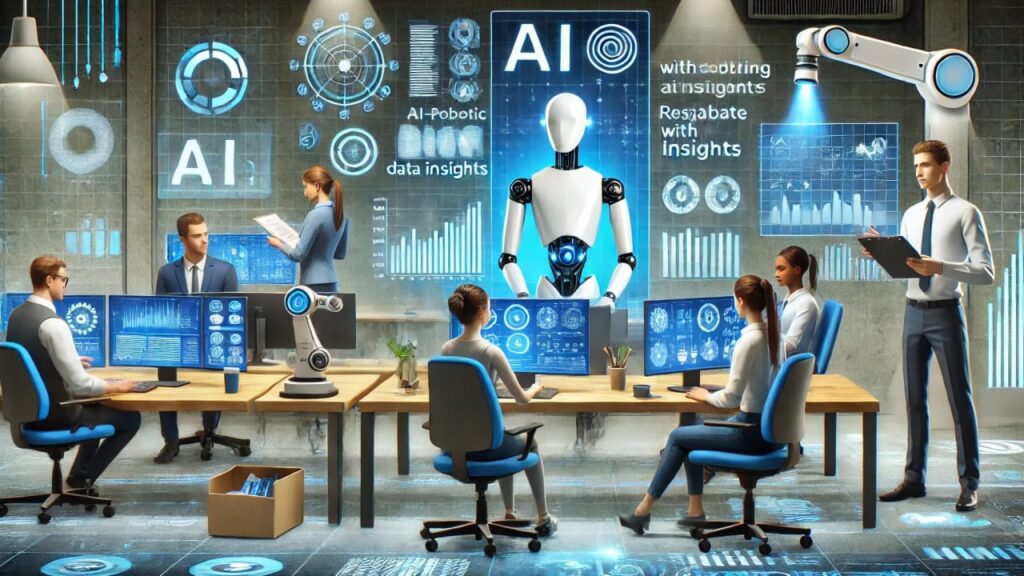
Artificial intelligence is rapidly becoming one of the most transformative forces in healthcare. AI systems can analyze enormous amounts of medical data far faster and more accurately than traditional methods. By examining patterns across millions of patient records, imaging scans, laboratory results, and wearable device readings, AI can help identify disease risk earlier than ever before.
Perhaps even more impressive is AI’s role in predictive medicine. Instead of waiting for disease to appear, advanced systems can estimate future health risks based on current biomarkers and behavioral patterns. This allows doctors to create highly personalized prevention strategies tailored to each individual.
This level of personalization marks a major departure from traditional one-size-fits-all healthcare.
Wearable Biosensors and Real-Time Health Monitoring and Redefining Human Health
One of the most exciting developments in modern medicine is the rise of wearable biosensors. Smartwatches, fitness bands, glucose monitors, and advanced biometric devices now allow individuals to continuously monitor vital health indicators in real time.
These devices can track heart rate variability, oxygen saturation, sleep quality, stress levels, glucose fluctuations, physical activity, and even early signs of infection. Some experimental biosensors are being designed to measure inflammatory markers directly through sweat, saliva, or skin contact.
The combination of wearable technology and AI creates a powerful healthcare ecosystem. Instead of relying solely on annual doctor visits, individuals can receive continuous feedback about their physiological condition.
For instance, a wearable device may detect irregular heart rhythms suggestive of atrial fibrillation, potentially preventing stroke through early intervention. Similarly, changes in sleep patterns, resting heart rate, or body temperature may signal illness days before noticeable symptoms appear.
This constant stream of health data transforms healthcare into an ongoing process rather than a periodic event.
However, wearable technology also raises important ethical concerns. Questions surrounding data privacy, cybersecurity, and healthcare accessibility remain critical. As technology becomes more integrated into medicine, protecting sensitive patient information will be essential.
Personalized Healthcare and Family History (Redefining Human Health)
Despite remarkable technological advances, one traditional medical tool remains incredibly valuable: family history.
Genetics strongly influence disease susceptibility. Individuals with a family history of heart disease, hypertension, diabetes, breast cancer, or autoimmune disorders often face elevated personal risk. Combining this genetic information with advanced diagnostics allows healthcare providers to create highly personalized prevention plans.
For example, a person with a strong family history of colon cancer may begin screenings earlier than standard recommendations. Someone genetically predisposed to cardiovascular disease may require more aggressive monitoring of cholesterol, inflammation, and blood pressure.
Digital health platforms now make it easier than ever to integrate family history with biometric data, laboratory testing, and AI analysis. This comprehensive approach helps individuals better understand their personal health trajectories and make proactive decisions before disease develops.
The Future of Human Longevity (Redefining Human Health)
Healthcare is evolving from a system focused on treating sickness to one focused on optimizing human longevity. Preventative screenings, biological age analysis, AI-powered diagnostics, and wearable biosensors are collectively reshaping how society approaches aging.
The ultimate goal is not merely to live longer, but to live healthier for longer. Extending lifespan without preserving quality of life offers limited value. Modern medicine therefore aims to maximize “healthspan” — the number of years individuals remain physically active, mentally sharp, and free from chronic disease.
The future may include fully personalized healthcare ecosystems where wearable devices continuously communicate with AI systems, automatically alerting physicians to early warning signs and recommending interventions before symptoms arise.
Although challenges such as affordability, ethical regulation, and healthcare inequality still exist, the direction of modern medicine is clear. The integration of preventative care and biotechnology is creating a future where disease can be detected earlier, aging can be monitored more accurately, and individuals can take greater control over their health than ever before.
In the end, the greatest medical breakthrough may not be a cure for a single disease, but the ability to understand the body deeply enough to prevent many illnesses before they begin. Human health is no longer being defined only by age on a calendar — it is being redefined by data, prevention, and intelligent care.
-

Gym Guide for Beginners: Your Complete Fitness Journey Starts Here
Gym Guide for Beginners: Everything You Need to Know Before Joining a Gym Starting a fitness journey can feel exciting and overwhelming at the same time. Many beginners join a gym with great enthusiasm but quit within a few weeks because they don’t know where to start or how to exercise correctly. This Gym Guide…
-
Is Mobile Addiction Bad for Your Health? Everything You Need to Know
Is Mobile Addiction Bad for Your Health? Everything You Need to Know In today’s digital age, smartphones have become an essential part of our daily lives. We use them for communication, education, entertainment, shopping, banking, and work. While mobile phones have made life easier, excessive use has created a serious problem known as mobile addiction.…
-
How Harmful Is a Mosquito Bite for Humans?
Why do mosquitoes bite? Only female mosquitoes bite humans. They need protein from human or animal blood to develop their eggs. When a mosquito bites, it uses a needle-like mouthpart to pierce the skin and suck blood. During this process, it injects saliva into the skin, which can cause irritation and itching. What happens after…

Health Dhara is a platform dedicated to holistic well-being — where health is not limited to the body, but extends to the mind and soul.
In today’s fast-paced world, people often ignore their health while chasing success. Our mission is to provide simple, practical, and research-based health knowledge that empowers individuals to live a balanced and meaningful life.
At Health Dhara, we believe true wealth lies in a healthy body, a calm mind, and a strong mindset.
Here, you will find: