
Understanding Chronic Constipation: Causes, Diagnosis, and Modern Management
Chronic constipation is one of the most common digestive disorders worldwide, affecting nearly 9% to 20% of adults. Despite being so widespread, it is often underreported, as many individuals feel uncomfortable discussing bowel habits. However, untreated constipation can significantly impact quality of life, leading to discomfort, anxiety, and even serious complications if ignored.
Medically, chronic constipation is defined as having fewer than three bowel movements per week, often accompanied by symptoms such as straining, hard or lumpy stools, and a feeling of incomplete evacuation. While occasional constipation is normal, persistent symptoms require attention and proper management.
Understanding the Causes
Chronic constipation can be broadly classified into two categories: primary (functional) and secondary.
Primary Constipation
Primary constipation occurs without an identifiable underlying disease. It includes:
– Normal-transit constipation (NTC): Stool moves at a normal pace through the colon, but patients still feel constipated.
– Slow-transit constipation (STC): The movement of stool through the colon is delayed, often due to reduced intestinal muscle activity.
– Defecatory disorders: These involve dysfunction of pelvic floor muscles, making stool passage difficult despite normal stool formation.
Secondary Constipation
Secondary constipation is caused by external factors or underlying medical conditions. Common causes include:
– Metabolic disorders such as diabetes or thyroid dysfunction
– Neurological conditions like Parkinson’s disease
– Chronic kidney disease
– Certain medications
Medications are one of the most overlooked causes. Drugs such as antidepressants, antihistamines, calcium channel blockers, iron supplements, and painkillers (especially opioids) can significantly slow bowel movements.
The Role of Gut Microbiome (Chronic Constipation)
Recent research has shed light on the role of gut bacteria in chronic constipation. Scientists have identified specific microbial interactions that may damage the protective mucus layer of the colon. When this layer is compromised, the colon loses its ability to retain moisture, leading to dry and hard stools.

This discovery highlights the importance of gut health and suggests that constipation is not just a mechanical problem but also a microbial imbalance. It also explains why digestive symptoms often appear years before neurological conditions like Parkinson’s disease are diagnosed.
IBS-C vs Chronic Idiopathic Constipation
Two common conditions associated with chronic constipation are:
– Irritable Bowel Syndrome with Constipation (IBS-C)
– Chronic Idiopathic Constipation (CIC)
Although both conditions share symptoms like bloating, straining, and irregular bowel movements, the key difference lies in abdominal pain. IBS-C is characterized by frequent and significant abdominal pain, while CIC typically involves minimal or no pain.
Diagnosing these conditions requires careful evaluation, as doctors must rule out other causes through blood tests, imaging, and stool analysis.
Warning Signs: When Constipation Becomes Serious
While most cases of constipation are harmless, certain symptoms indicate a medical emergency and should never be ignored:
– Blood in stool or black, tarry stools
– Severe or persistent abdominal pain
– Vomiting, especially with stool-like material
– Sudden, unexplained weight loss
– Inability to pass stool or gas
These signs may indicate serious conditions such as bowel obstruction, infections, or even tumors. Immediate medical attention is crucial in such cases.
Diagnosis and Evaluation (Chronic Constipation)
Doctors typically use standardized criteria, such as the Rome IV guidelines, to diagnose chronic constipation. A detailed medical history and physical examination are the first steps.
If needed, specialized (Chronic Constipation) tests may be recommended:
– Colonic transit studies: Track how quickly food moves through the colon
– Anorectal manometry: Measures muscle coordination during bowel movements
– Balloon expulsion test: Assesses the ability to pass stool
These tests help identify whether the issue is related to slow movement, muscle dysfunction, or other factors.
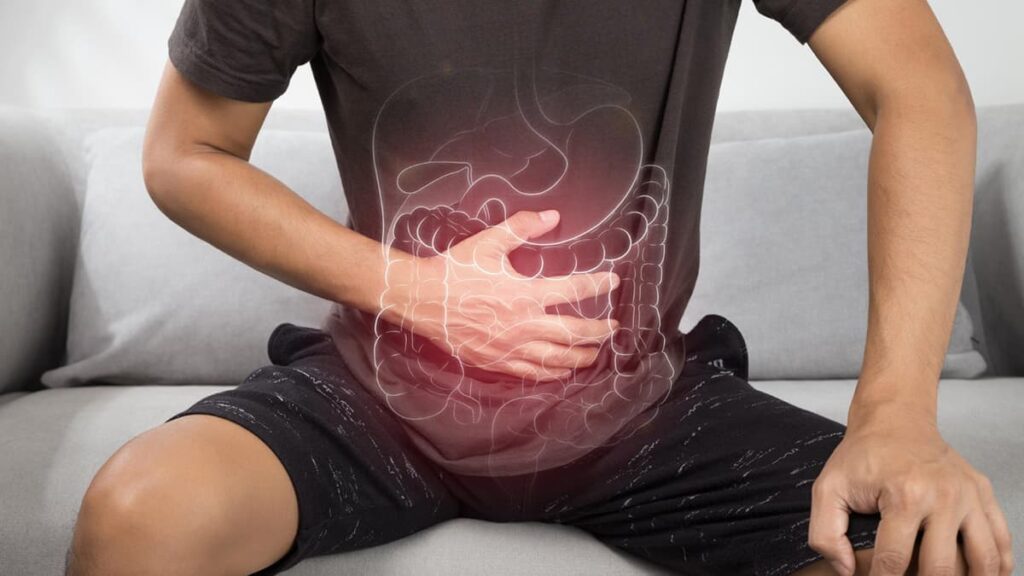
Stepwise Approach to Treatment care cause
Managing chronic constipation requires a structured and gradual approach, starting with simple lifestyle changes and progressing to advanced therapies if needed.
1. Lifestyle and Dietary Changes (Chronic Constipation)
This is the foundation of treatment and often the most effective long-term solution.
– Increase daily fiber intake (20–30 grams) through fruits, vegetables, and whole grains
– Stay well-hydrated (Stepwise Approach)
– Engage in regular physical activity
– Develop a consistent bowel routine
Fiber supplements like psyllium can also help improve stool consistency and frequency.
2. Over-the-Counter Treatments (Chronic Constipation)
If lifestyle changes are insufficient, over-the-counter medications may be used:
– Osmotic laxatives: Help retain water in the stool (e.g., polyethylene glycol, lactulose)
– Stimulant laxatives: Stimulate bowel movement (e.g., senna, bisacodyl)
These should be used carefully and not relied upon for long-term use without medical supervision.
3. Prescription Medications (Stepwise Approach)
For persistent or severe cases, doctors may prescribe advanced treatments:
– Secretagogues: Increase fluid secretion in the intestines, making stool easier to pass
– Prokinetic agents: Improve gut motility and movement
These medications are particularly useful in conditions like IBS-C and chronic idiopathic constipation.
4. Advanced Therapies (Stepwise Approach)
In complex cases, additional interventions may be necessary:
– Biofeedback therapy: Helps retrain pelvic floor muscles
– Psychological therapies: Address stress and gut-brain interaction
– Innovative devices: Such as vibrating capsules that stimulate bowel movement
Surgery is considered only in rare, severe cases where all other treatments fail.
The Importance of Early Intervention (Chronic Constipation)
Ignoring chronic constipation can lead to complications such as hemorrhoids, anal fissures, or fecal impaction. Early diagnosis and proper management not only improve physical comfort but also enhance overall well-being.
Moreover, constipation is often a reflection of lifestyle habits. Addressing diet, hydration, stress, and physical activity can bring long-term relief and prevent recurrence.
Final Thoughts
Chronic constipation is more than just an inconvenience—it is a complex condition influenced by lifestyle, medical factors, and even gut bacteria. The good news is that with the right approach, it is highly manageable.
A combination of healthy habits, timely medical intervention, and awareness of warning signs can make a significant difference. If symptoms persist or worsen, seeking professional guidance is essential.
Taking care of your gut is ultimately an investment in your overall health. A well-functioning digestive system supports not only physical health but also mental and emotional balance.


Health Dhara is a platform dedicated to holistic well-being — where health is not limited to the body, but extends to the mind and soul.
In today’s fast-paced world, people often ignore their health while chasing success. Our mission is to provide simple, practical, and research-based health knowledge that empowers individuals to live a balanced and meaningful life.
At Health Dhara, we believe true wealth lies in a healthy body, a calm mind, and a strong mindset.
Here, you will find: