

The immune system acts as the body’s natural defense shield, protecting us from harmful bacteria, viruses, fungi, and other pathogens. It works through two main mechanisms: innate immunity, which provides immediate defense, and adaptive immunity, which identifies specific pathogens and produces antibodies to fight them.
During winter seasons or pandemics, many people look for supplements that can “boost immunity overnight.” However, according to experts from institutions like Harvard Medical School, the concept of instantly boosting immunity is misleading. An overactive immune system can lead to autoimmune diseases and severe allergies. Instead, a balanced lifestyle—including proper nutrition, quality sleep, stress management, and regular exercise—is the most effective way to maintain a strong immune system.
That said, when the body lacks essential nutrients or immunity weakens due to aging or illness (a process known as immunosenescence), natural supplements can help support immune health and reduce the risk of infections.
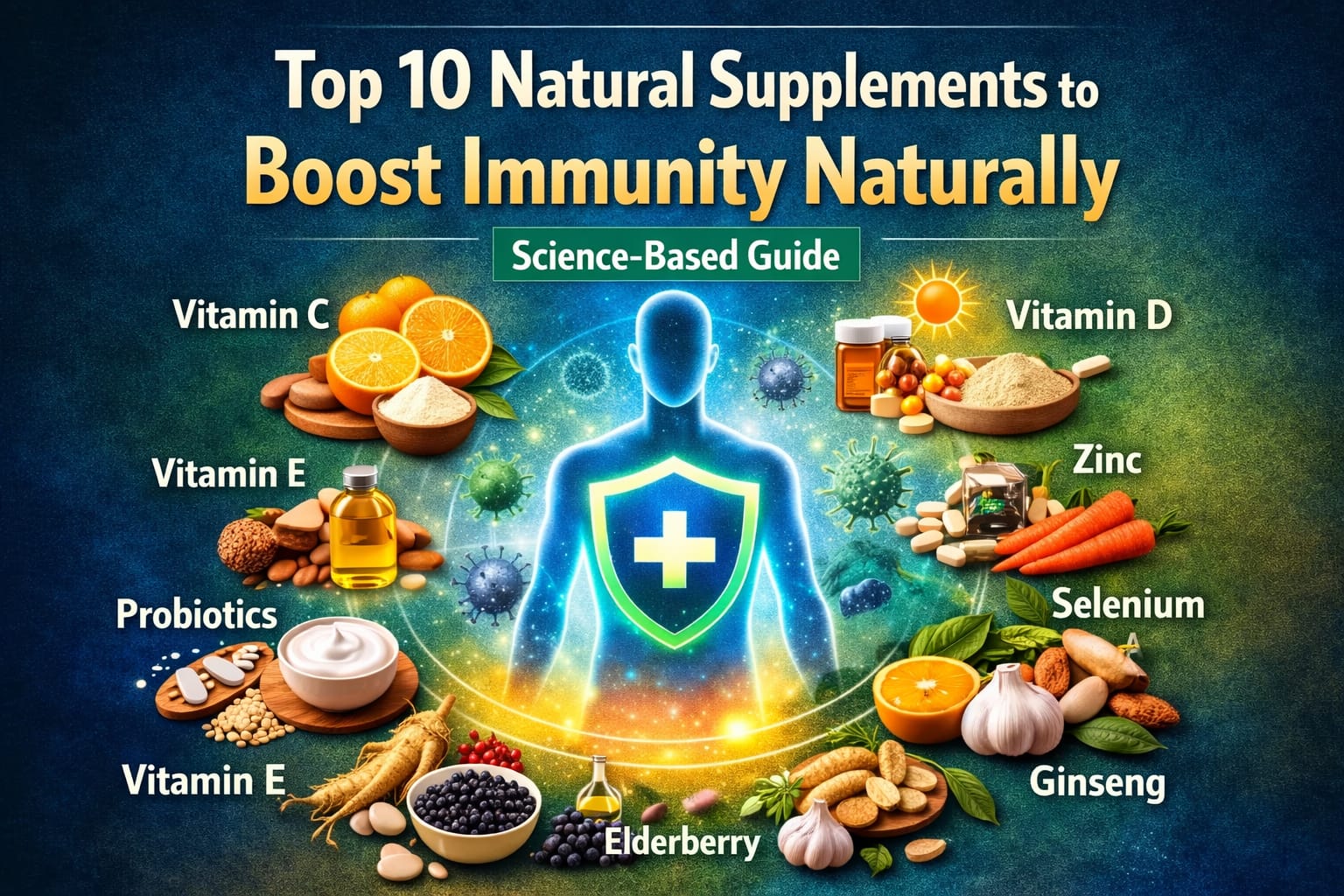
Below are the top 10 natural supplements backed by scientific evidence to support immunity: by health dhara
- Vitamin C
Vitamin C, also known as ascorbic acid, is essential for both innate and adaptive immunity. It acts as a powerful antioxidant, helps maintain the epithelial barrier, and enhances the production of B cells and T cells. It also reduces histamine levels in the body.
Deficiency of vitamin C weakens the immune system and increases susceptibility to infections. Studies show that regular intake of vitamin C (around 200 mg/day or more) can reduce the risk of common cold by up to 50% in physically stressed individuals and shorten the duration of colds by 8–14% in the general population. - Vitamin D
Vitamin D is not only important for bone health but also plays a crucial role in immune function. It helps reduce viral replication, suppress inflammation, and enhance the activity of regulatory T cells.
Most immune cells have vitamin D receptors, and deficiency is linked to increased risk of respiratory infections, influenza, and other diseases. Research involving over 10,000 participants found that regular vitamin D supplementation can reduce the risk of acute respiratory infections by about 12%. - Zinc
Zinc is a vital trace mineral involved in cellular metabolism and the activity of over 100 enzymes. It has strong antiviral and anti-inflammatory properties and helps maintain the integrity of respiratory tissues.
Zinc deficiency impairs immune cell development, increasing the risk of infections like pneumonia and diarrhea, especially in children and older adults. Taking zinc lozenges within 24 hours of cold symptoms may reduce the duration of illness by up to 3 days. - Vitamin A
Vitamin A is essential for maintaining healthy vision and a strong immune system. It supports epithelial tissues, which act as protective barriers, and helps macrophages function effectively.
In many developing regions, vitamin A deficiency increases the risk of diseases such as measles and diarrhea in children. Supplementation has been shown to significantly reduce the severity and mortality associated with these infections. - Selenium
Selenium is an essential mineral that supports the maturation of T cells and enhances the activity of natural killer (NK) cells. It is also a key component of antioxidant enzymes that reduce inflammation.
Low selenium levels can increase the virulence of certain viruses, including hepatitis viruses. It also plays a supportive role in improving immune responses in individuals with chronic illnesses. - Vitamin E
Vitamin E, particularly alpha-tocopherol, is a fat-soluble antioxidant that protects cell membranes and enhances immune responses. It supports antibody production, lymphocyte proliferation, and natural killer cell activity.
It also helps reduce inflammation by inhibiting pro-inflammatory cytokines. Vitamin E supplementation has been found especially beneficial in improving immune function in older adults. - Probiotics
Probiotics are beneficial live microorganisms such as Lactobacillus and Bifidobacterium that support gut health. Interestingly, about 70–80% of immune cells reside in the gut.
Probiotics strengthen the gut barrier, enhance immunoglobulin production, and reduce viral replication. They also produce short-chain fatty acids that help control inflammation. Studies show that probiotics can reduce the risk of respiratory infections by up to 47% and shorten the duration of infectious diarrhea. - Garlic
Garlic (Allium sativum) has been used for centuries for its medicinal properties. Compounds like allicin and ajoene have antiviral, antibacterial, and antifungal effects.
Garlic supplements may enhance the activity of natural killer cells and T cells. Clinical studies suggest that regular consumption of garlic can significantly reduce the frequency of common colds. - Ginseng
Ginseng is a traditional herbal remedy widely used in Asia. Its active compounds, called ginsenosides, stimulate immune function by promoting B-cell activity and increasing the production of interferon-gamma.
Research indicates that ginseng supplementation can reduce the risk of upper respiratory infections by up to 31% and help protect against illnesses like influenza. - Elderberry
Elderberry (Sambucus nigra) is rich in antioxidants such as anthocyanins and flavonoids. It has strong antiviral and immune-supporting properties.
Elderberry extracts may prevent viruses from attaching to host cells. Studies show that it can reduce the duration and severity of cold symptoms. However, raw elderberries can be toxic, so only properly processed supplements should be consumed.
Healthy Lifestyle Tips for Strong Immunity
While supplements can support immunity, they work best when combined with a healthy lifestyle. Here are essential habits for maintaining a strong immune system:
Eat a balanced diet: Include fruits, vegetables, whole grains, and protein-rich foods.
Avoid smoking: Smoking weakens immune function.
Limit alcohol intake: Excessive alcohol harms immune cells.
Exercise regularly: Moderate exercise enhances immune response.
Get enough sleep: Aim for 7–9 hours daily.
Manage stress: Chronic stress weakens immunity through cortisol release.
Maintain a healthy weight: Obesity is linked to chronic inflammation.
Practice good hygiene: Regular handwashing prevents infections.
Conclusion
Natural supplements like vitamin C, vitamin D, zinc, probiotics, and garlic can support immune health and help reduce the risk of infections. However, they are not miracle cures. A strong immune system is built through consistent healthy habits and balanced nutrition.
Before starting any supplement, it is always advisable to consult a qualified healthcare professional, especially if you are taking medications or have underlying health conditions.

Health Dhara is a platform dedicated to holistic well-being — where health is not limited to the body, but extends to the mind and soul.
In today’s fast-paced world, people often ignore their health while chasing success. Our mission is to provide simple, practical, and research-based health knowledge that empowers individuals to live a balanced and meaningful life.
At Health Dhara, we believe true wealth lies in a healthy body, a calm mind, and a strong mindset.
Here, you will find: