Table of Contents
The Science of a Balanced Diet: Nutrition, Macronutrients, and the Secrets of Recovery
Many people struggle with a common frustration: despite consistent gym sessions and a seemingly “healthy” diet, they fail to see muscle gain, strength improvements, or fat loss . The culprit is often not a lack of effort, but a misunderstanding of portion sizes and nutrient timing . While the old adage says “You are what you eat,” the scientific reality is more precise: “You are what, and how much, you eat” .
In this guide, we break down the essentials of a Balanced Diet, the pivotal roles of macro and micronutrients, the gold standard of the Harvard ‘Healthy Eating Plate,’ and why Whole Foods—not processed ones—are the key to a high-functioning metabolism.
- The Golden Ratio: Macronutrients in a Balanced Diet
A balanced diet isn’t about expensive supplements or fad charts; it’s about the right dosage, the right ratio, and the right timing tailored to your body weight . Our nutrition is built upon three pillars (Macronutrients): Protein, Carbohydrates, and Fats.
Protein: The Building Block
Protein is the fundamental structural element for human tissue and muscle . It is responsible for the repair and recovery of every cell in your body .
- Requirement: An active individual typically needs about 1.5g of protein per kilogram of body weight . (Example: A 60kg person needs ~90g of protein daily).
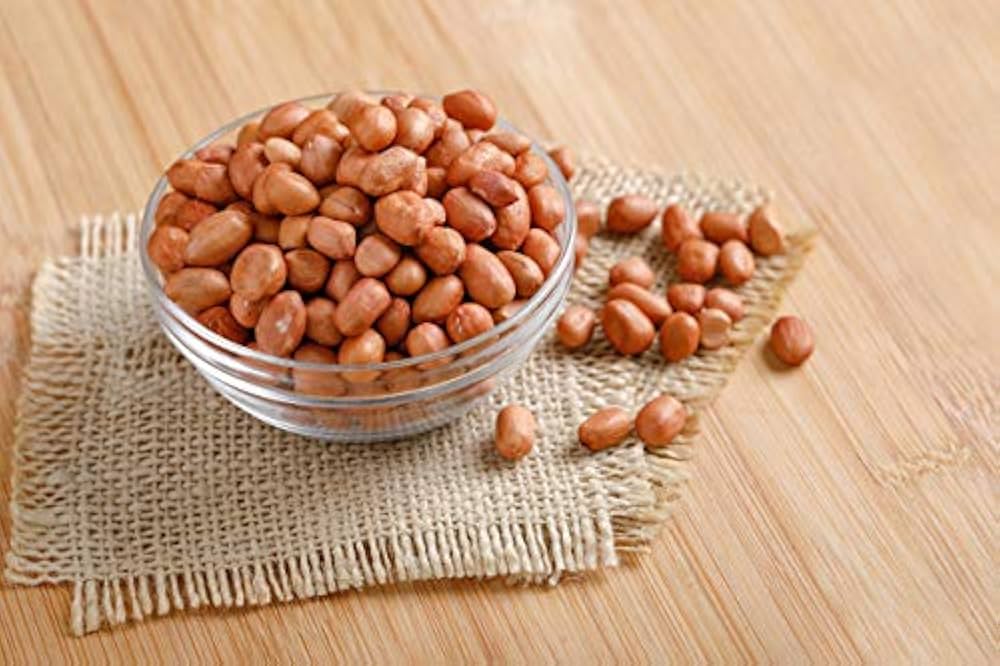
- Sources: For optimal results, aim for a split of 60-70% Animal Protein (eggs, lean meat, fish, dairy) and 30-40% Plant Protein (lentils, beans, peas, chickpeas, peanuts) .
Carbohydrates: The Body’s Fuel
Carbohydrates provide the Instant Energy required for daily functions . Your cells run on glucose, and most foods eventually convert into this fuel . Cutting carbs doesn’t just burn fat; it often leads to a loss of strength and vitality . - Requirement: An active person needs 3 to 4 times their body weight in grams of carbs (e.g., 180-240g for a 60kg person) .
- Sources: Prioritize wheat, barley, rice, potatoes, chickpeas, apples, bananas, and papaya .
Fats: The Hormone Regulator
Don’t fear fats. “Good fats” are essential for hormone production, nerve function, and muscle coordination . - Requirement: Aim for 0.8g to 1g per kg of body weight (e.g., 50-60g of fat for a 60kg person) .
- Sources: Use olive oil, mustard oil, coconut oil, flaxseeds, walnuts, and almonds [6]. Avoid trans fats and hydrogenated oils .
Ideal Diet Ratios: - For Weight/Muscle Gain: 40% Protein | 30% Carbohydrates | 30% Fats .
- For Weight Loss: 30% Protein | 45% Carbohydrates | 15-20% Fats .
- The Harvard ‘Healthy Eating Plate’ Rule
Created by the Harvard T.H. Chan School of Public Health, the Healthy Eating Plate is the global benchmark for meal planning [8]. Its core message: Quality matters more than quantity .
Key Guidelines:
- ½ Plate – Fruits and Vegetables: Aim for color and variety. Note: Potatoes do not count as vegetables here because they cause rapid blood sugar spikes .
- ¼ Plate – Whole Grains: Choose brown rice, oats, barley, and whole wheat . Limit refined grains like white bread and white rice .
- ¼ Plate – Healthy Protein: Focus on fish, poultry, beans, and nuts. Minimize red meat and strictly avoid processed meats like sausages or bacon .
- Healthy Plant Oils: Use olive, soy, or canola oils in moderation; avoid trans fats .
- Hydration: Drink water; skip sugary drinks. Limit milk/dairy to 1-2 servings per day .
- Nutrient Density vs. Caloric Density
While all energy is measured in calories (1g \text{ Protein/Carbs} = 4 \text{ kcal}, 1g \text{ Fat} = 9 \text{ kcal}), not all calories are created equal .
Caloric Density refers to the number of calories per pound of food [15]. Fresh produce has low density (65-195 kcal/lb), while oils are extremely high (3200+ kcal/lb) . Research suggests foods under 300 calories per pound can be eaten in large volumes without significant weight gain .
Nutrient Density, however, measures the concentration of vitamins, minerals, and fiber. A donut and a handful of almonds might have similar calories, but the donut provides “empty calories” leading to inflammation and heart disease, while almonds are nutrient-dense powerhouses. Always choose “Real Food” . - Whole Foods vs. Processed Foods: The DIT Factor
Your body spends energy just to digest food. This is known as Diet-Induced Thermogenesis (DIT) or the Thermic Effect of Food . It accounts for about 10% of your daily energy expenditure.
A landmark study revealed that Whole Foods (like whole-grain bread and cheddar cheese) require significantly more energy to process than Processed Foods (like white bread and processed cheese).
- Whole Foods: Digestion consumed 19.9% of the food’s total energy.
- Processed Foods: Digestion consumed only 10.7% .
In short, processed foods slow your metabolism and cut your DIT by nearly 50%, leading to more stored fat and a higher risk of obesity.
- The Role of Micronutrients in Muscle Recovery
While protein gets the spotlight for fitness, Micronutrients (vitamins and minerals) are the “engine oil” that keeps recovery running.
- Vitamin D: Essential for calcium balance and muscle function. Deficiency increases injury risk .
- Magnesium: Vital for protein synthesis and energy production. Low levels lead to chronic fatigue.
- Iron: Crucial for oxygen transport; keeps energy levels stable during workouts.
- Zinc: Supports immunity and wound healing.
- Vitamin C: A powerful antioxidant that reduces free radicals and supports connective tissue.
- B-Vitamins (B6, B12): Essential for energy metabolism and red blood cell formation .
- The Psychological Trap: “Food as Fuel”
Under mental or physical stress, many people fall for the “Food as Fuel” fallacy, reaching for high-calorie snacks like chocolate or chips]. The misconception is that since a car needs fuel, a human needs “dense” calories for performance.
Marketing often pushes high-sugar snacks as performance boosters. However, Registered Dietitians argue the opposite: peak performance requires fruits, vegetables, and complex carbohydrates—not the fats and refined sugars found in junk food. Experts choose low-calorie, nutrient-dense foods under pressure, while laypeople often choose the high-calorie trap.
Conclusion
The secret to a fit and healthy body isn’t just sweating in the gym—it’s mastering the science of nutrition.
- Balance your macros (Protein, Carbs, Healthy Fats) based on your goals .
- Follow the Harvard Plate to ensure half your meal is colorful produce .
- Avoid Processed Foods that sabotage your metabolism .
- Reject the “Junk as Fuel” myth; get your energy from natural, whole sources.
Choose Real Food to see real results. Stay healthy, stay fit.
Sehat ka naya thikana

Proudly powered by healthdhara