



In a world obsessed with complicated workout routines and expensive supplements, one of the most powerful health interventions remains beautifully simple: walking.
Just 30 minutes in the morning and 30 minutes in the evening can create profound physiological and psychological changes. Backed by decades of scientific research, consistent walking regulates metabolism, improves blood sugar control, lowers blood pressure, supports thyroid health, stabilizes mood, and enhances longevity.
Let’s break it down.
Metabolism is the engine that converts food into energy. Sedentary lifestyles slow this engine down.
Research shows that moderate-intensity walking:
Increases mitochondrial efficiency (better cellular energy production)
Improves insulin sensitivity
Enhances fat oxidation
Prevents metabolic slowdown associated with prolonged sitting
A study published in Diabetes Care found that light walking after meals significantly reduced post-meal glucose spikes compared to prolonged sitting.
Morning Benefit: Jumpstarts metabolism for the day.
Evening Benefit: Counters the metabolic damage of daytime inactivity.


One of the most powerful benefits of walking is its impact on glucose regulation.
Muscles act as glucose “sponges.” When you walk:
Glucose is absorbed into muscles without requiring as much insulin.
Insulin resistance decreases.
HbA1c levels improve over time.
This is especially important for:
Prediabetes
Type 2 diabetes
Individuals with a family history of diabetes
Even a 10–15 minute walk after meals has been shown to blunt glucose spikes significantly.




High blood pressure is often called the “silent killer.”
Regular walking:
Improves arterial flexibility
Reduces sympathetic nervous system overactivity
Lowers resting systolic and diastolic blood pressure
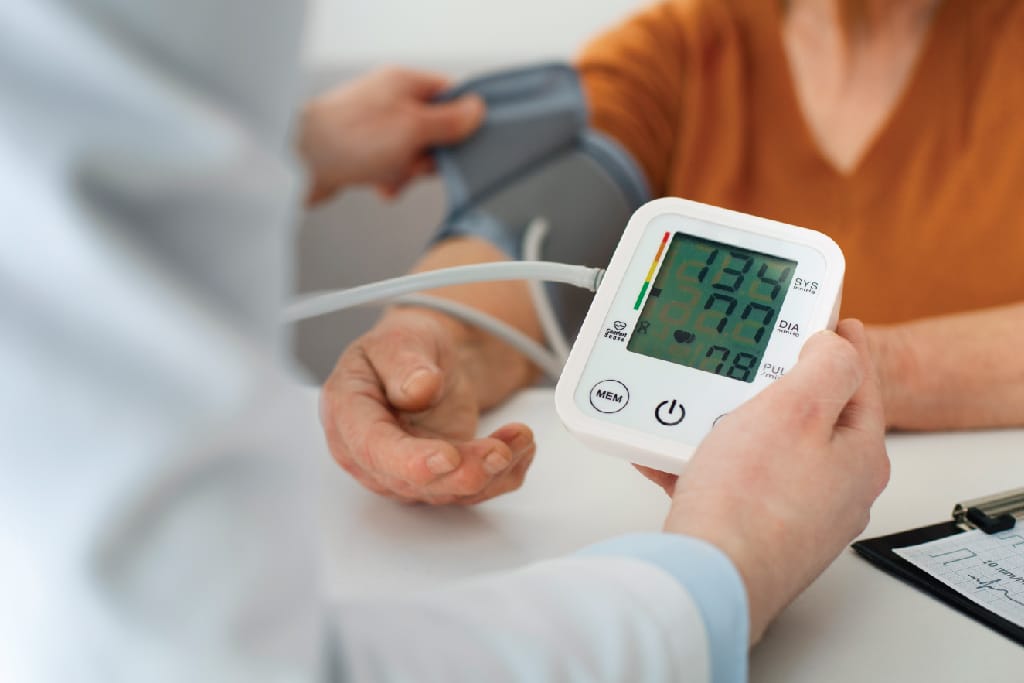
According to the American Heart Association, 30 minutes of moderate exercise like brisk walking most days of the week can reduce systolic blood pressure by 4–9 mmHg — comparable to some medications.
Morning walks also regulate cortisol rhythm, which plays a major role in blood pressure control.

While walking does not “cure” thyroid disorders, it supports thyroid health by:
Improving metabolic rate
Enhancing peripheral conversion of T4 to active T3
Reducing inflammation
Lowering chronic stress hormones
Chronic stress suppresses thyroid function. Gentle, consistent walking lowers cortisol levels and supports hormonal balance naturally.
Walking is not just physical medicine — it’s neurological medicine.
It increases:
Endorphins
Dopamine
Serotonin
Brain-Derived Neurotrophic Factor (BDNF)
Research published in JAMA Psychiatry has shown that regular walking reduces the risk of depression significantly.
Morning sunlight exposure during walks:
Regulates circadian rhythm
Improves sleep quality
Enhances serotonin production
Evening walks:
Reduce accumulated stress
Improve emotional regulation
Calm the nervous system
For individuals aiming for healthy weight reduction:
Two 30-minute brisk walks can burn 250–400 calories daily (depending on body weight and speed).
Improves NEAT (Non-Exercise Activity Thermogenesis).
Prevents muscle loss compared to crash dieting.
Consistency matters more than intensity.


Walking improves:
VO₂ max (cardiorespiratory fitness)
HDL (good cholesterol)
Triglyceride levels
Endothelial function
Long-term cohort studies show that individuals who walk regularly have lower all-cause mortality compared to sedentary individuals.
Even moderate walking adds years to life — and life to year


Regular walking:
Improves memory
Enhances executive function
Reduces risk of dementia
Stimulates hippocampal growth
Neuroplasticity increases with aerobic movement — and walking is one of the safest forms available for all ages.
| Morning Walk | Evening Walk |
|---|---|
| Boosts metabolism | Controls post-dinner glucose |
| Enhances focus | Reduces stress hormones |
| Regulates circadian rhythm | Improves sleep |
| Sets positive tone for day | Prevents late-night cravings |
Walk at a brisk pace (you can talk but not sing).
Aim for 6,000–10,000 steps daily.
Walk after meals when possible.
Avoid phone distractions — focus on breathing.
Maintain good posture.