
Mosquitoes may look small and harmless, but they are among the most dangerous creatures in the world. A single mosquito bite is usually not serious, but in some cases it can transmit deadly diseases and cause severe health problems. Understanding the risks of mosquito bites is important for protecting ourselves and our families.
Why do mosquitoes bite?
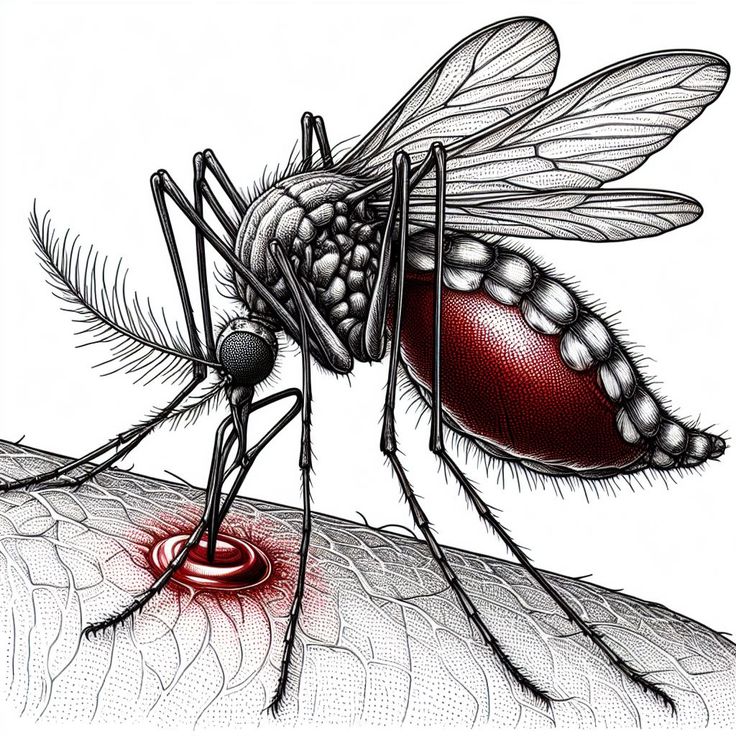
Only female mosquitoes bite humans. They need protein from human or animal blood to develop their eggs. When a mosquito bites, it uses a needle-like mouthpart to pierce the skin and suck blood. During this process, it injects saliva into the skin, which can cause irritation and itching.
What happens after a mosquito bite?
For most people, a mosquito bite causes:
- Redness around the bite area.
- Swelling or a small raised bump.
- Itching and mild irritation.
- Occasional burning or discomfort.
These symptoms usually disappear within a few hours or days and are generally harmless.
When can a mosquito bite become dangerous?
A mosquito bite becomes harmful when the mosquito carries disease-causing viruses or parasites. Infected mosquitoes can transmit serious illnesses from one person to another.
Common mosquito-borne diseases include:
| Disease | Main Mosquito |
|---|---|
| Dengue fever | Aedes |
| Chikungunya | Aedes |
| Malaria | Anopheles |
| Japanese encephalitis | Culex |
| Lymphatic filariasis | Culex / Mansonia |
These diseases affect millions of people every year, especially in tropical countries such as India.
Health effects of mosquito-borne diseases
Different diseases cause different symptoms, but common warning signs include:
- High fever.
- Severe headache.
- Joint and muscle pain.
- Nausea or vomiting.
- Extreme weakness and fatigue.
- Skin rash.
- Chills and sweating (common in malaria).
In severe cases, mosquito-borne infections can lead to bleeding, brain inflammation, organ failure, or even death if treatment is delayed.
Who is at greater risk?
Some people are more vulnerable to complications from mosquito bites:
- Children.
- Pregnant women.
- Elderly people.
- People with weak immunity or chronic illnesses.
These groups should take extra precautions to avoid mosquito exposure.
How can we protect ourselves?
Prevention is the best defense against mosquito-related illnesses.
Important preventive measures:
- Remove standing water from buckets, coolers, flower pots, and tires.
- Use mosquito nets while sleeping.
- Apply mosquito repellent on exposed skin.
- Wear long-sleeved clothing and full-length pants.
- Keep windows and doors screened.
- Use mosquito coils, vaporizers, or indoor sprays when necessary.
When should you see a doctor?
Seek medical help immediately if you develop fever, severe body pain, persistent vomiting, unusual bleeding, breathing difficulty, confusion, or extreme weakness after a mosquito bite. Early diagnosis can prevent serious complications.
Conclusion
A mosquito bite is not always dangerous, but it should never be ignored. While most bites cause only temporary itching and swelling, some mosquitoes carry harmful viruses and parasites that can cause diseases such as dengue, malaria, and chikungunya. By keeping our surroundings clean and using proper mosquito protection, we can greatly reduce the risk of infection. A small mosquito may seem insignificant, but protecting ourselves from its bite can save lives.

Health Dhara is a platform dedicated to holistic well-being — where health is not limited to the body, but extends to the mind and soul.
In today’s fast-paced world, people often ignore their health while chasing success. Our mission is to provide simple, practical, and research-based health knowledge that empowers individuals to live a balanced and meaningful life.
At Health Dhara, we believe true wealth lies in a healthy body, a calm mind, and a strong mindset.
Here, you will find: