
Soybean: Advantages and Disadvantages (A Complete Guide)
Table of Contents
- Soybean: Advantages and Disadvantages (A Complete Guide)
- Advantages of Soybean
- 1. Advantages of Soybean -Excellent Source of Plant Protein
- 2. Advantages of Soybean – Supports Muscle Growth
- 3. Advantages of Soybean – Helps in Weight Management
- 4. Advantages of Soybean – Good for Heart Health
- 5.Advantages of Soybean – Rich in Vitamins and Minerals
- 6. Improves Bone Strength
- 7. Supports Digestive Health
- 8. Helps Control Blood Sugar
- 9. Beneficial for Vegetarians
- 10. Versatile Food
- Disadvantages of Soybean (A Complete Guide)
- Who Should Eat Soybean?
- Who Should Be Careful?
- How to Consume Soybean Properly
- Conclusion
Soybean: Nature’s Protein Powerhouse Advantages and Disadvantages
Soybean is one of the most nutritious plant-based foods in the world. It is scientifically known as Glycine max and belongs to the legume family. Rich in protein, healthy fats, fiber, vitamins, and minerals, soybean has become an important part of vegetarian diets, sports nutrition, and modern healthy eating. It is used to make products such as soy milk, tofu, soy chunks, soy flour, and soybean oil.
Although soybean offers many health benefits, excessive or improper consumption may also have some disadvantages. Understanding both sides helps people make informed dietary choices.
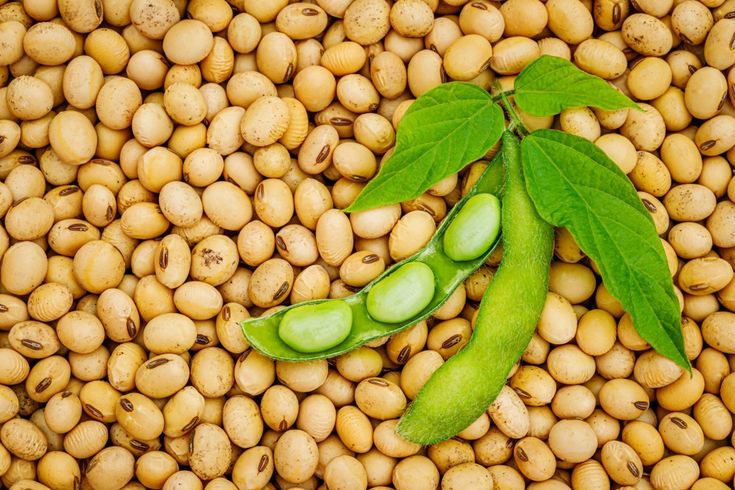
Advantages of Soybean
1. Advantages of Soybean –Excellent Source of Plant Protein
Soybean contains around 36–40% protein, making it one of the richest plant-based protein sources. It provides almost all the essential amino acids required by the human body, making it an ideal food for vegetarians and vegans.
2. Advantages of Soybean – Supports Muscle Growth
People who exercise regularly, athletes, and gym-goers often include soybean in their diets because its high protein content helps repair muscle tissues and supports muscle growth after workouts.
3. Advantages of Soybean – Helps in Weight Management
Soybean is rich in protein and dietary fiber, which keeps you feeling full for a longer period. This can reduce unnecessary snacking and help control calorie intake, making it useful for weight loss and healthy weight management.
4. Advantages of Soybean – Good for Heart Health
Soybean contains healthy unsaturated fats and is naturally cholesterol-free. Regular consumption may help lower bad cholesterol (LDL) while maintaining good cholesterol (HDL), reducing the risk of heart disease.
5.Advantages of Soybean – Rich in Vitamins and Minerals
Soybean provides important nutrients such as:
- Iron
- Calcium
- Magnesium
- Potassium
- Phosphorus
- Zinc
- Vitamin B-complex
These nutrients support healthy bones, muscles, nerves, and overall body function.
6. Improves Bone Strength
The calcium, magnesium, phosphorus, and plant compounds in soybean contribute to stronger bones and may reduce the risk of osteoporosis, especially when included as part of a balanced diet.
7. Supports Digestive Health
Soybean contains dietary fiber, which promotes healthy digestion, prevents constipation, and supports beneficial gut bacteria.
8. Helps Control Blood Sugar
Because soybean has a low glycemic index and is rich in protein and fiber, it may help maintain stable blood sugar levels when consumed as part of a balanced diet.
9. Beneficial for Vegetarians
Soybean is an affordable and effective alternative to animal protein, making it especially valuable for people following vegetarian or vegan diets.
10. Versatile Food
Soybean can be consumed in many forms, including:
- Soy milk
- Tofu
- Soy chunks
- Soy flour
- Edamame
- Soy yogurt
- Soybean oil
This versatility makes it easy to include in everyday meals.

Disadvantages of Soybean (A Complete Guide)
1. May Cause Digestive Problems
Some people experience gas, bloating, or stomach discomfort after eating soybean because it contains complex carbohydrates that are difficult to digest. Soaking and cooking soybeans properly can reduce these effects.
2. Soy Allergy
A small percentage of people are allergic to soybean. Symptoms may include itching, swelling, skin rashes, stomach pain, or difficulty breathing. Individuals with soy allergies should avoid soybean products completely.
3. May Affect Thyroid Function in Some People
Soy contains compounds called isoflavones that may interfere with thyroid function in people who have iodine deficiency or untreated thyroid disorders. However, moderate consumption is generally considered safe for most healthy individuals.
4. Overconsumption May Reduce Dietary Variety
Relying too heavily on soybean while neglecting other protein sources such as lentils, beans, dairy, nuts, and seeds may result in a less balanced diet.
5. Highly Processed Soy Foods
Not all soy products are equally healthy. Highly processed soy foods containing excessive salt, sugar, or unhealthy fats may reduce the overall health benefits.
6. Possible Mineral Absorption Issues
Soybeans contain natural compounds called phytates, which may slightly reduce the absorption of minerals like iron and zinc. Proper soaking, sprouting, fermentation, and cooking can significantly reduce phytate levels.
7. Hormone Misconceptions
Soy contains plant compounds known as phytoestrogens. Scientific research indicates that moderate soybean consumption does not significantly affect hormone levels or reduce testosterone in healthy men. However, consuming extremely large amounts over long periods is unnecessary and should be avoided.
8. Kidney Concerns
People with advanced kidney disease may need to monitor protein intake, including soybean, under the guidance of a healthcare professional.

Who Should Eat Soybean?
Soybean is a healthy choice for:
- Vegetarians and vegans
- Athletes and gym enthusiasts
- Growing children
- Adults seeking a high-protein diet
- People aiming for weight management
- Older adults who need additional protein
Who Should Be Careful?
People should consult a healthcare professional before consuming large amounts of soybean if they:
- Have a soy allergy
- Have untreated thyroid disease
- Have advanced kidney disease
- Have been advised to follow a restricted-protein diet
How to Consume Soybean Properly
For maximum nutritional benefit:
- Soak dried soybeans for 8–10 hours before cooking.
- Cook them thoroughly before eating.
- Include a variety of soy foods such as tofu, soy milk, and soy chunks.
- Combine soybean with vegetables, whole grains, fruits, and other protein sources for a balanced diet.
- Avoid excessive intake and maintain dietary variety.
Conclusion
Soybean is one of the most nutritious plant-based foods available. It is rich in high-quality protein, fiber, healthy fats, vitamins, and minerals that support muscle growth, heart health, digestion, and overall well-being. For most healthy people, moderate consumption of properly prepared soybean can be part of a balanced diet.
Like any food, soybean should not be consumed in excessive amounts or relied upon as the only source of nutrition. People with soy allergies, certain thyroid conditions, or advanced kidney disease should seek medical advice before increasing soy intake. When eaten in moderation as part of a diverse and balanced diet, soybean is a valuable, affordable, and nutritious food that can contribute to a healthy lifestyle.

Health Dhara is a platform dedicated to holistic well-being — where health is not limited to the body, but extends to the mind and soul.
In today’s fast-paced world, people often ignore their health while chasing success. Our mission is to provide simple, practical, and research-based health knowledge that empowers individuals to live a balanced and meaningful life.
At Health Dhara, we believe true wealth lies in a healthy body, a calm mind, and a strong mindset.
Here, you will find: