
Blood Pressure: Causes, Symptoms, Home Remedies, Lifestyle Changes, and Medical Treatment
Blood pressure is one of the most important indicators of overall health. It measures the force of blood pushing against the walls of the arteries as the heart pumps blood throughout the body. Maintaining normal blood pressure is essential because both high and low blood pressure can lead to serious health problems if ignored for a long time.
In today’s fast-moving lifestyle, stress, unhealthy eating habits, lack of exercise, poor sleep, smoking, and excessive salt intake have made blood pressure problems very common among people of all ages. The good news is that with proper care, healthy habits, home remedies, and medical treatment, blood pressure can often be managed effectively.
What is Blood Pressure?
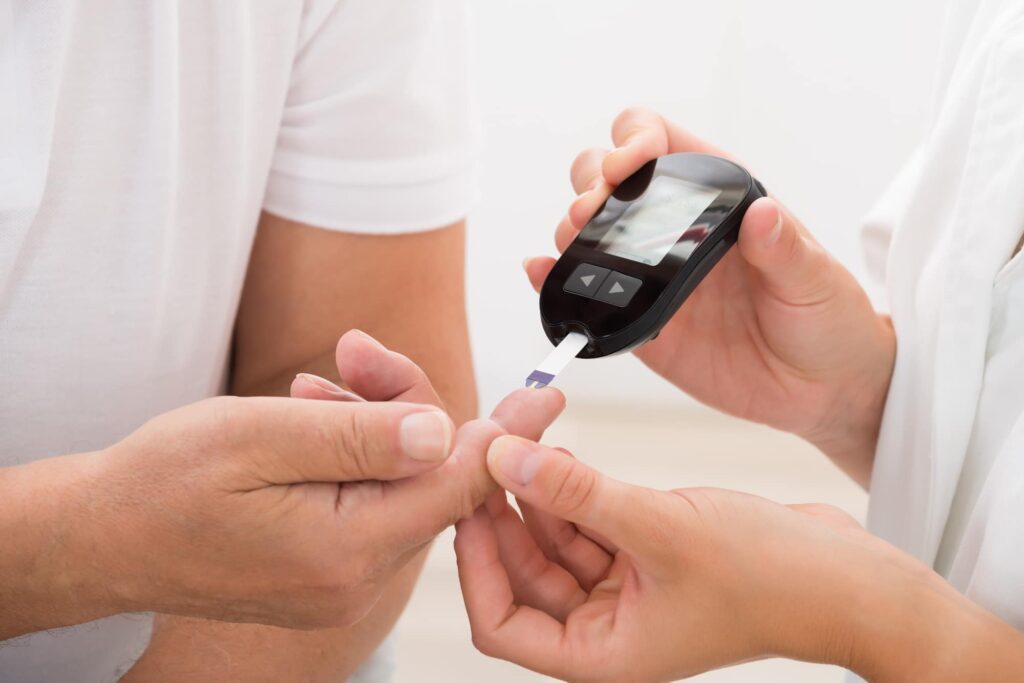
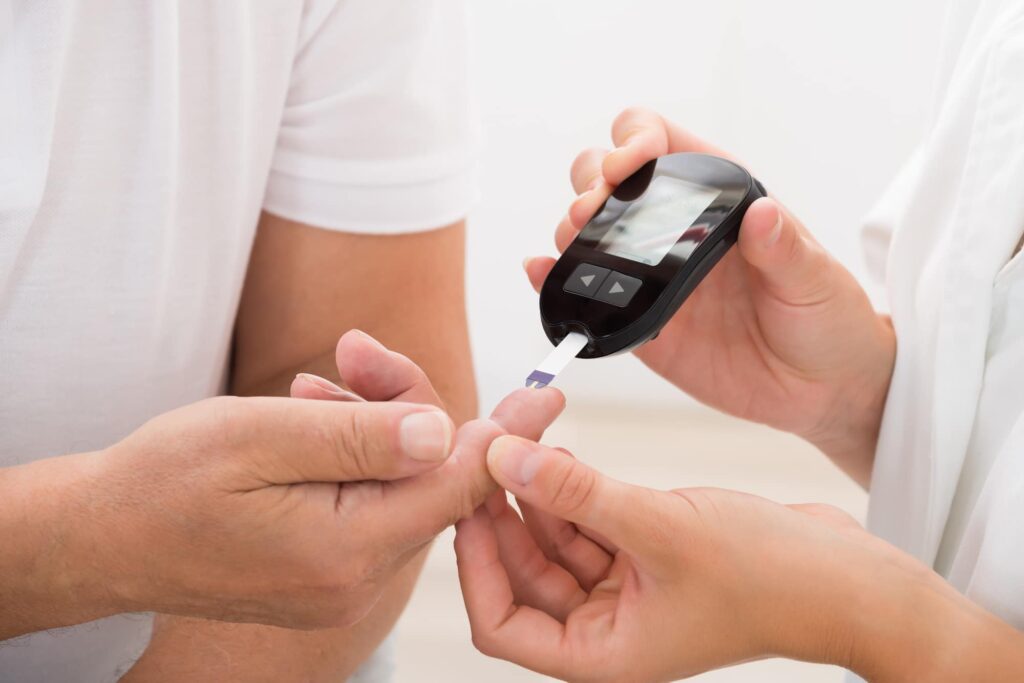
what is blood sugar ?
Blood pressure is recorded using two numbers:
Systolic Pressure: The top number that shows the pressure when the heart beats.
Diastolic Pressure: The bottom number that shows the pressure when the heart rests between beats.
For example, a reading of 120/80 mmHg is considered normal for most adults.
- Blood Pressure Categories
- Normal: Below 120/80 mmHg
- Elevated: 120–129 / below 80
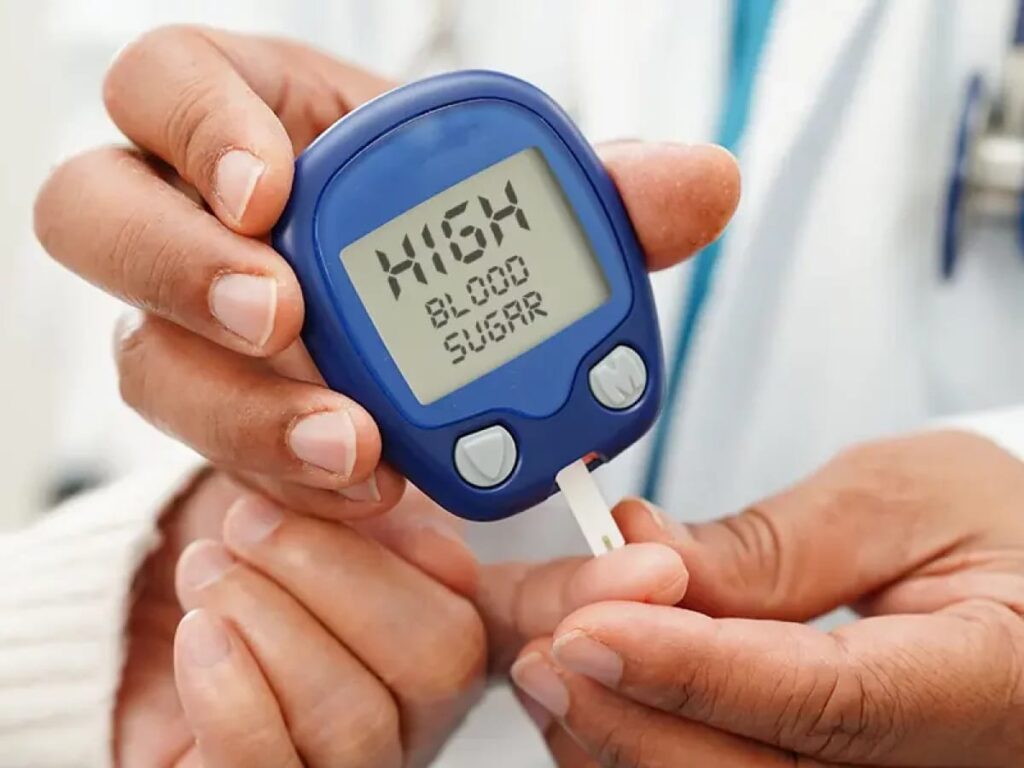
High Blood Pressure (Hypertension): 130/80 mmHg or higher
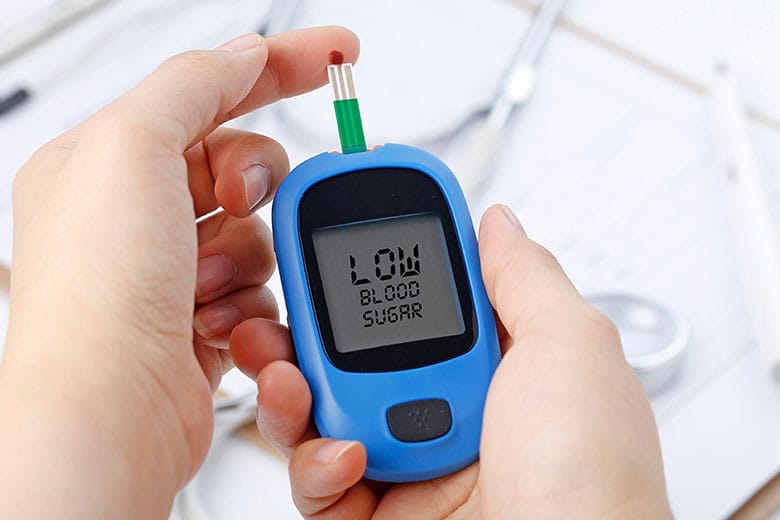
Low Blood Pressure (Hypotension): Below 90/60 mmHg
Causes of High Blood Pressure
High blood pressure develops slowly over time and may not show symptoms in the beginning. Common causes include:
1. Excess Salt Intake blood presure
Eating too much salty food causes the body to retain water, increasing blood pressure.
2. Stress and Anxiety
Mental stress releases hormones that temporarily raise blood pressure. Chronic stress can contribute to long-term hypertension.
3. Lack of Physical Activity
A sedentary lifestyle weakens heart health and increases the risk of obesity and hypertension.
4. Obesity
Extra body weight forces the heart to work harder, increasing pressure in the arteries.
5. Smoking and Alcohol
Nicotine narrows blood vessels and alcohol can damage the heart over time.
6. Family History
Genetics also play a major role. If parents have high blood pressure, the risk increases.
7. Other Medical Conditions
Kidney disease, diabetes, thyroid disorders, and hormonal imbalance may contribute to hypertension.
Symptoms of High Blood Pressure
High blood pressure is often called a “silent killer” because many people do not notice symptoms until complications occur. However, some possible signs include:
- Headache
- Dizziness
- Fatigue
- Chest pain
- Shortness of breath
- Blurred vision
- Nosebleeds
- Irregular heartbeat
If blood pressure becomes extremely high, immediate medical attention is necessary.
Risks of Uncontrolled Blood Pressure
Ignoring high blood pressure can damage major organs in the body. Serious complications include:
- Heart attack
- Stroke
- Kidney failure
- Vision loss
- Heart failure
- Memory problems
Regular monitoring helps prevent these complications.
Home Remedies for Blood Pressure
Natural remedies and healthy habits may help control blood pressure along with proper medical advice.
1. Reduce Salt Intake
Avoid processed foods, chips, pickles, instant noodles, and packaged snacks. Use less salt while cooking.
2. Drink Plenty of Water
Proper hydration helps maintain healthy blood circulation.
3. Eat Potassium-Rich Foods
Potassium helps balance sodium levels in the body. Good sources include:
- Bananas
- Coconut water
- Spinach
- Sweet potatoes
- Oranges
- Tomatoes
Garlic
Garlic may help relax blood vessels and improve blood flow. Many people consume raw garlic in small amounts daily.
Exercise Regularly
- Walking, yoga, cycling, and light jogging improve heart health and blood circulation.
- Maintain Healthy Weight
- Even small weight loss can significantly improve blood pressure levels.
- Limit Caffeine
- Too much tea, coffee, or energy drinks may temporarily raise blood pressure.
- Practice Deep Breathing and Meditation
- Stress management techniques help relax the nervous system and support healthy blood pressure.
- Get Proper Sleep
- Poor sleep increases stress hormones and negatively affects heart health.
- Avoid Smoking and Alcohol
Quitting smoking and limiting alcohol can greatly improve cardiovascular health.
Foods That Help Control Blood Pressure
A balanced diet plays a major role in maintaining healthy blood pressure.
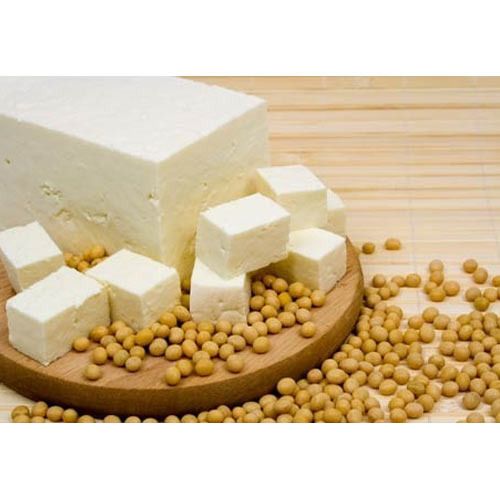
Recommended Foods
- Green leafy vegetables
- Fruits
- Oats
- Brown rice
- Lentils
- Nuts and seeds
- Low-fat dairy products
- Beetroot
- Watermelon
- Foods to Avoid
- Fast food
- Fried food
- Sugary drinks
- Excessive salt
- Processed meat
- Bakery products with trans fat
- Lifestyle Changes for Healthy Blood Pressure
Long-term lifestyle improvement is one of the best ways to control blood pressure naturally.
Stay Active
At least 30 minutes of physical activity most days of the week is beneficial.
Manage Stress
Spend time with family, practice hobbies, read books, or engage in spiritual activities to reduce mental stress.
Monitor Blood Pressure Regularly
Home blood pressure monitors can help track readings and detect problems early.
Follow a Healthy Routine
Regular meal timings, enough sleep, and avoiding late-night habits support heart health.
Reduce Screen Time and Mental Overload
Too much work pressure and digital stress can affect blood pressure indirectly.
Medical Treatment for Blood Pressure
Sometimes lifestyle changes alone are not enough. Doctors may prescribe medicines depending on the severity of the condition.
Common Medicines Used
Doctors may prescribe medications such as:
- Diuretics
- Beta-blockers
- ACE inhibitors
- Calcium channel blockers
- ARBs (Angiotensin receptor blockers)
These medicines work in different ways to relax blood vessels, remove extra fluid, or reduce heart strain.
Importance of Medical Advice
Never start or stop blood pressure medicine without consulting a doctor. Sudden discontinuation may cause dangerous spikes in blood pressure.
- Regular Checkups
- People with hypertension should regularly check:
- Blood pressure
- Kidney function
- Blood sugar
- Cholesterol levels
This helps doctors monitor overall cardiovascular health.
Low Blood Pressure: Causes and Care
Low blood pressure may also create health problems in some people.
- Symptoms of Low Blood Pressure
- Weakness
- Dizziness
- Fainting
- Blurred vision
- Nausea
Home Care Tips
- Drink enough fluids
- Eat balanced meals
- Avoid sudden standing
- Increase salt only if advised by a doctor
- Wear compression stockings if recommended
Severe low blood pressure requires medical evaluation.
When to See a Doctor
Seek medical attention immediately if blood pressure is accompanied by:
- Chest pain
- Severe headache
- Difficulty breathing
- Sudden weakness
- Confusion
- Vision problems
Regular health checkups are important, especially for older adults, diabetic patients, and people with family history of hypertension.
Conclusion
Blood pressure is closely connected to heart health and overall well-being. While high blood pressure is very common today, it can often be managed through healthy eating, exercise, stress control, proper sleep, and regular medical care. Home remedies and natural lifestyle changes may support healthy blood pressure, but severe or persistent hypertension requires professional treatment.
Prevention is always better than cure. By adopting healthy daily habits and monitoring blood pressure regularly, people can reduce the risk of serious complications and enjoy a healthier and more active life.

Health Dhara is a platform dedicated to holistic well-being — where health is not limited to the body, but extends to the mind and soul.
In today’s fast-paced world, people often ignore their health while chasing success. Our mission is to provide simple, practical, and research-based health knowledge that empowers individuals to live a balanced and meaningful life.
At Health Dhara, we believe true wealth lies in a healthy body, a calm mind, and a strong mindset.
Here, you will find: